A front door that will not lock properly changes the feel of home very quickly. Yale locks are familiar on thousands of properties across Berkshire, from traditional nightlatches on timber doors to modern cylinders fitted to uPVC and composite doors. They are trusted, widely available and made in several security levels, but the right answer is not always simply fitting another Yale lock.
The best course depends on the type of door, the condition of the existing mechanism and why you need work done. A stiff key may point to a small repair. A damaged cylinder after lost keys or a break-in attempt calls for a different response. Knowing the difference can save money while making sure the property is properly secure.
Understanding the main types of Yale locks
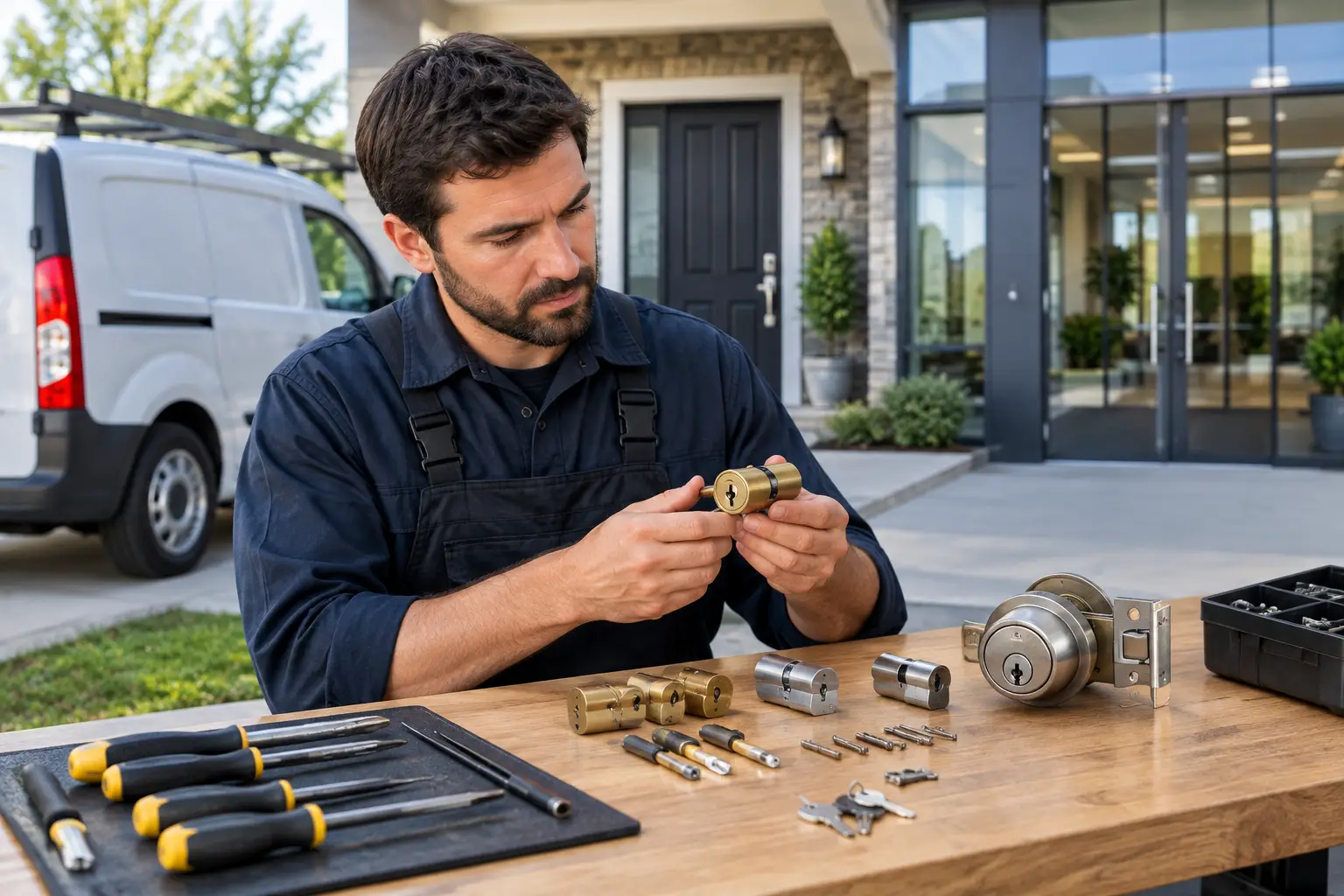
When people say they have a Yale lock, they often mean a rim nightlatch. This is the lock fitted on the inside face of a timber door, usually with a round cylinder visible on the outside. Closing the door engages the latch automatically, and a key operates it from outside. Many homes also have a separate mortice deadlock lower down the door for added security.
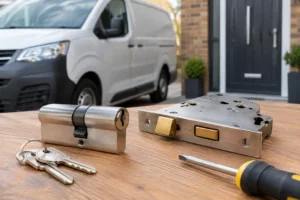
Yale also makes euro cylinders, commonly found on uPVC, composite and aluminium doors. These sit within a larger multipoint locking mechanism. When you lift the handle, hooks, rollers or bolts engage along the edge of the door, then turning the key locks everything in place. If that door is difficult to lock, the fault may be in the cylinder, the handles, the gearbox or the door alignment. Replacing the cylinder alone will not cure every issue.
There are also digital and smart Yale locks. These can use a keypad, fob, app or code rather than a conventional key. They can be useful for landlords, busy households and smaller business premises, particularly where access needs to be changed regularly. However, they still need correct fitting, a sound door and a sensible plan for batteries, backup access and user codes.
When can Yale locks be repaired?
A repair is often the sensible option when the lock body is sound and the fault is limited. A loose handle, worn spindle, sticking latch or poorly aligned keep can sometimes be corrected without replacing the whole lock. On a uPVC door, an experienced locksmith will check whether the door has dropped or moved out of alignment before recommending more costly parts.
A key that becomes hard to turn is worth dealing with early. It may be caused by dirt in the keyway, wear inside the cylinder or pressure from a misaligned door. Forcing the key can snap it, leaving you with a more urgent and expensive problem. Avoid using oil or household spray products in a lock, as these can attract dirt and make the mechanism worse over time. A locksmith can assess the cause and use the correct lubricant or repair method.
Nightlatches can also develop problems after years of daily use. The latch may fail to spring back, the internal handle may feel slack, or the outside key may turn without operating the lock properly. If a suitable replacement part is available, repair can be worthwhile. If the lock is old, badly worn or offers limited security, replacement is usually better value in the long run.
When is replacement the safer choice?
Replacement is advisable when keys have been lost or stolen and cannot be accounted for. Even if the keys are later found, you cannot know whether they were copied. Changing the cylinder or lock gives you control again, especially on a rental property after a tenancy change.
It is also the right move if there has been an attempted break-in, visible damage to the cylinder, or a lock that has failed completely. A temporary fix may get the door shut for the night, but damaged security hardware should be properly assessed as soon as possible.
For euro cylinder locks, security matters as much as whether the key turns. Older cylinders may be vulnerable to common methods of attack that newer, higher-security cylinders are designed to resist. A locksmith can measure the cylinder correctly and advise on a suitable anti-snap option. The cylinder must sit neatly with the door furniture: one that protrudes too far can be easier to attack, while one that is too short may not work reliably.
If you are moving into a new house or taking over a commercial unit, changing the locks is a practical first job. Previous occupants, contractors, cleaners or neighbours may still have keys. It is a straightforward way to start with known access arrangements.
Choosing Yale locks for your door
The make on the box matters less than choosing a lock that suits the door and the level of risk. A basic internal door lock does not belong on an external entrance. Equally, the most expensive option is not always necessary for a low-risk cupboard or internal office.
For an external timber front door, consider how the nightlatch and any mortice lock work together. A security-rated nightlatch can offer better resistance than a basic model, but it should be correctly fitted to a solid door and frame. The condition of the frame, hinges and keep is just as relevant. A strong lock cannot compensate for rotten timber or loose fixings.
For a uPVC or composite door, the multipoint mechanism needs to work freely before the cylinder is locked. You should normally lift the handle without having to force it. If you need to push, pull or lift the door hard to engage the lock, do not ignore it. Continued pressure can damage the gearbox and turn a simple adjustment into a full mechanism replacement.
For landlords and business owners, key control is often the deciding factor. Standard keyed locks are simple and dependable, but keys can be copied without your knowledge. Restricted key systems and digital options offer greater control, though they cost more and need sensible administration. It depends on the number of users, how frequently access changes and whether someone is responsible for keeping records up to date.
A quick check before calling for help
If you are inside the property and the door is secure, check whether the problem changes when you gently push or pull the door while turning the key. If it works only under pressure, alignment may be involved. Do not dismantle a lock without knowing how it goes back together, particularly late in the day when replacement parts may not be readily available.
If you are locked out, have a snapped key, or cannot secure the property, treat it as an urgent fault. Avoid forcing the handle, drilling the cylinder or trying online tricks with improvised tools. They often damage the door or mechanism and can turn a non-destructive entry job into a replacement door fitting.
A proper locksmith should explain what has failed, what work is needed and what options you have before proceeding. For emergency work, it is reasonable to ask about attendance, callout charges and the likely cost of the repair or replacement. Clear answers matter when you are standing outside in the rain or trying to secure a shop after closing time.
Keep your locks working for longer
Most lock problems do not appear without warning. A key that sticks occasionally, a handle that sags, or a latch that needs a shoulder against the door all deserve attention before the lock fails completely. Keep keys clean and replace badly worn copies. Do not use a bent key, and avoid hanging heavy bunches of keys from a cylinder while operating it.
Check external doors after periods of very hot, cold or wet weather, as timber can swell and uPVC doors can move slightly with temperature changes. Small adjustments made early can protect the lock mechanism and extend its working life.
If a Yale lock is no longer working as it should, call Lock Solutions for practical advice and local locksmith help. Whether the answer is a small adjustment, a new cylinder or a complete replacement, the aim is simple: get the door secure and make sure it stays that way.