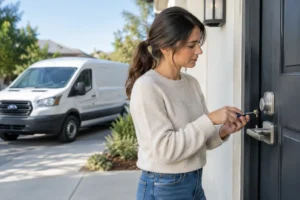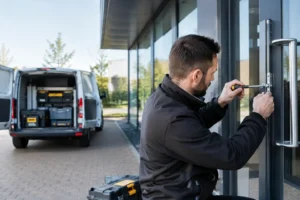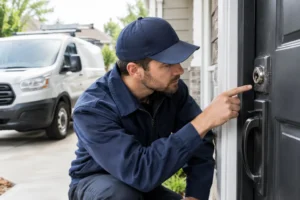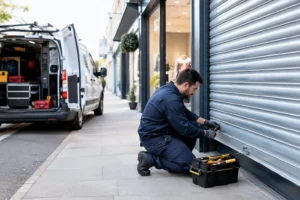
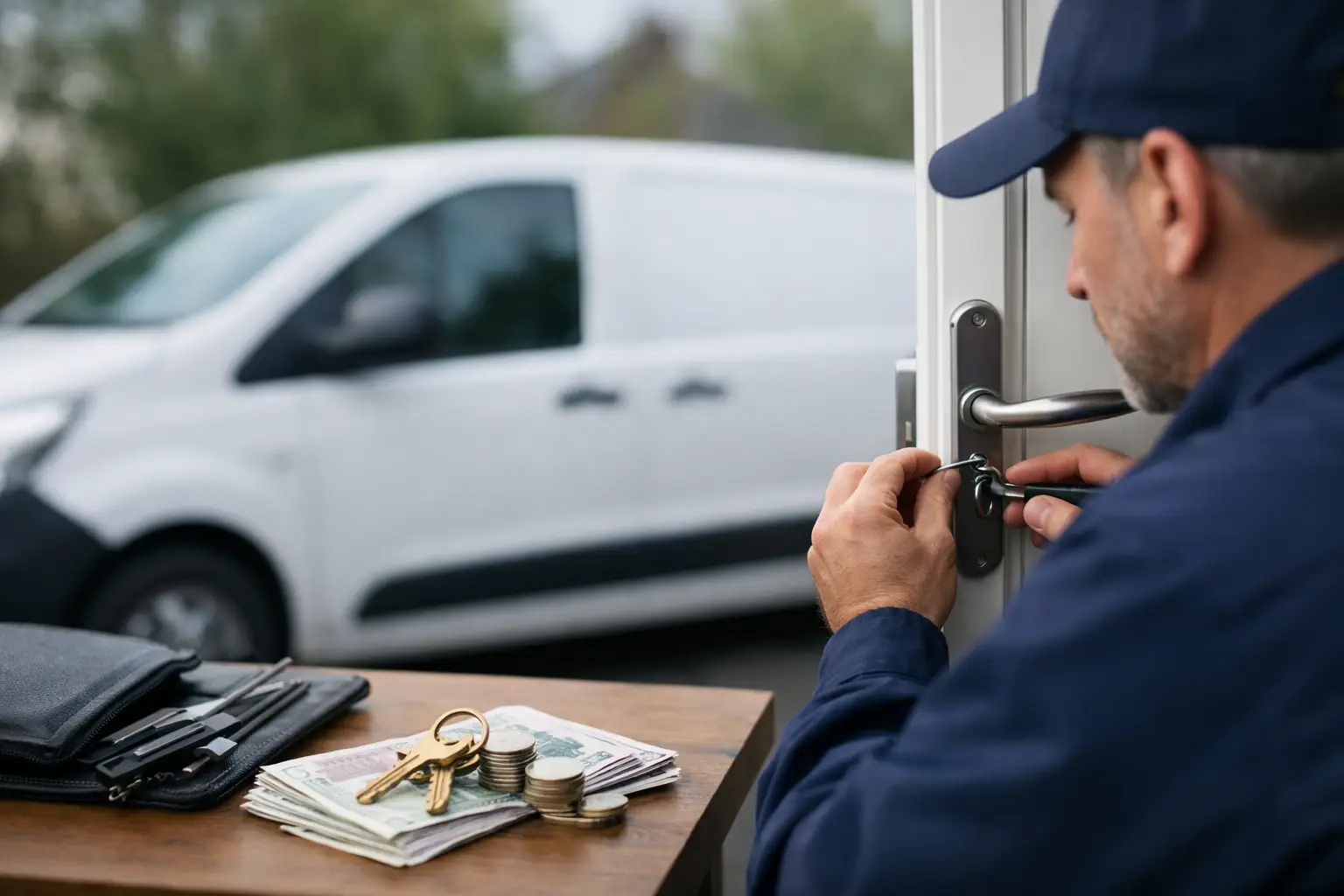
Being locked out on your doorstep, finding a key has snapped in the cylinder, or discovering that a uPVC door will not lock properly is stressful enough. A no call-out charge locksmith means you should not be charged simply because a locksmith has travelled to assess the problem. It is a fairer starting point, particularly when you need help quickly in Reading, Berkshire or elsewhere in the Thames Valley.
But it is worth understanding exactly what that promise covers. No call-out fee does not mean every job is free. It means the cost should relate to the work needed to get you back in, repair the fault or secure the property – not to somebody merely turning up.
What does no call out charge actually mean?
A call-out charge is a fixed attendance fee added before any locksmith work begins. Some firms charge it for daytime visits, while others apply a higher fee at night, over weekends or on bank holidays. If the job turns out to be simple, that fee can make a small repair feel unnecessarily expensive.
With a no call-out charge locksmith, there should be no separate charge for attending your property and diagnosing the issue. You pay for the labour, parts and any agreed work required. If the lock can be repaired rather than replaced, the price should reflect that.
That said, always ask what happens if no work is carried out. A reputable local locksmith will explain their position clearly before travelling. For example, if a tenant has found a spare key before the locksmith arrives, or a door opens without any repair being required, it is sensible to clarify whether there is any charge at all. Clear answers at the start avoid awkward surprises later.
What you may still need to pay for
The final price depends on the problem, the type of door or lock, and whether parts are needed. A locksmith cannot always give one exact figure over the phone because a sticking door may be a worn cylinder, a failed multipoint mechanism, poor alignment, or a combination of faults.
For a straightforward lockout, the aim is normally non-destructive entry. This avoids damage to the door and often means the existing lock can remain in place. The cost is then mainly for the locksmith’s time and skill. If the lock has failed, been damaged during a break-in, or the keys have been lost and security is a concern, replacement may be the sensible option.
Parts can vary considerably. A basic cylinder, a British Standard high-security cylinder, a mortice lock and a full uPVC multipoint gearbox are not like-for-like items. Recognised brands such as Yale, Chubb and Union can cost more than budget alternatives, but the right product should be selected for the door, the security requirement and the property rather than chosen on price alone.
Out-of-hours work can also affect labour costs. A genuine 24-hour emergency service has to cover late-night, early-morning and weekend attendance. The key point is that any additional emergency rate should be explained honestly, rather than hidden behind a vague low starting price.
Repair can be better value than replacement
Many people assume a faulty lock needs replacing. Often it does not. A uPVC door that will not lock may need the hinges or keeps adjusted, while a loose handle may be caused by worn fixings rather than a failed mechanism. A key that catches in a cylinder may be a warning sign, but it is not automatically a reason to fit the most expensive new lock.
A good locksmith will inspect the fault, explain the practical options and tell you when repair is a safe, worthwhile choice. Replacement becomes the better route when the lock is damaged, unreliable, no longer offers suitable security, or has been compromised by lost or stolen keys.
Questions to ask before you agree to a visit
When you are outside in the rain or trying to secure a business after hours, it is tempting to ring the first advert you see. Taking two minutes to ask a few direct questions can make a real difference.
Ask whether there is a call-out charge, whether the quoted price is for labour only, and whether VAT applies. Ask if the locksmith you speak to is the person likely to attend, and whether they can give an estimate once they understand the type of door and problem. If replacement parts may be needed, ask for the options before they are fitted.
Be cautious of adverts that lead with an unusually low price but cannot confirm a realistic range. A very low figure may only cover the first few minutes, or it may be used to get a booking before much higher costs are introduced on arrival. Price matters, but so does knowing who is coming to your home or premises and what work they are proposing.
Why a direct local locksmith makes a difference
A national-looking search advert may not lead to a local locksmith. In some cases, it connects you with a call centre that passes the job to an available contractor. That does not automatically mean poor service, but it can make it harder to know who will attend, when they will arrive and what the final cost is likely to be.
Speaking directly to a local locksmith gives you a clearer conversation from the outset. You can describe the door, explain whether someone is locked inside or outside, mention any urgent security concern, and receive advice that fits the situation. It also gives the locksmith the chance to bring suitable parts rather than arriving with little information.
For emergency jobs, local knowledge matters too. Someone covering Reading, Wokingham, Bracknell, Maidenhead, Newbury and the surrounding Berkshire area understands the routes, common property types and the need to keep customers informed if traffic affects arrival. Lock Solutions is family-run and owner-led by Wayne, offering 24-hour help with no call-out charge and a one-hour attendance target for emergencies where possible.
When to call straight away
Some lock problems can wait for a planned appointment. Others should be treated as urgent. If you cannot secure the front door, have suffered a break-in, have a key broken in the lock, or your commercial premises cannot be locked at closing time, do not leave it until morning. A temporary fix may make the property more vulnerable or turn a repairable issue into a larger problem.
Likewise, do not force a key that is sticking or keep lifting a uPVC handle when it feels stiff. Excess force can snap the key, damage the cylinder or cause a failed mechanism to jam completely. If the door is still open, leave it open only if it is safe to do so, and call for advice before trying further fixes.
Landlords and property managers should act quickly where a tenant cannot secure a home or where shared access has been compromised. Fast, documented work helps protect people, the property and your responsibilities as the person in charge.
A fair price starts with a clear conversation
The cheapest advert is not always the cheapest job, and the highest quote is not always a sign of better work. What you need is clarity: no separate fee just for attendance, an explanation of the fault, a sensible recommendation, and agreement before chargeable work begins.
When you need a locksmith, describe the issue as clearly as you can and ask for straightforward answers. If you are locked out, dealing with a failed lock or worried about security, call now rather than risking damage or leaving the property exposed. A dependable local locksmith should make a difficult moment feel more manageable from the first conversation.