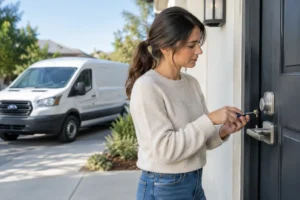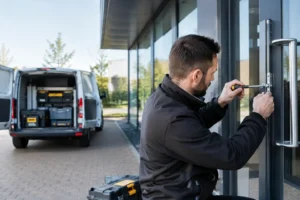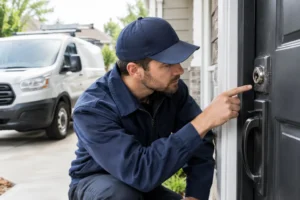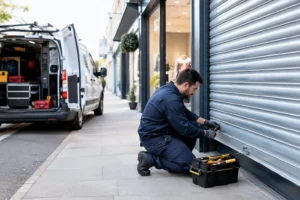
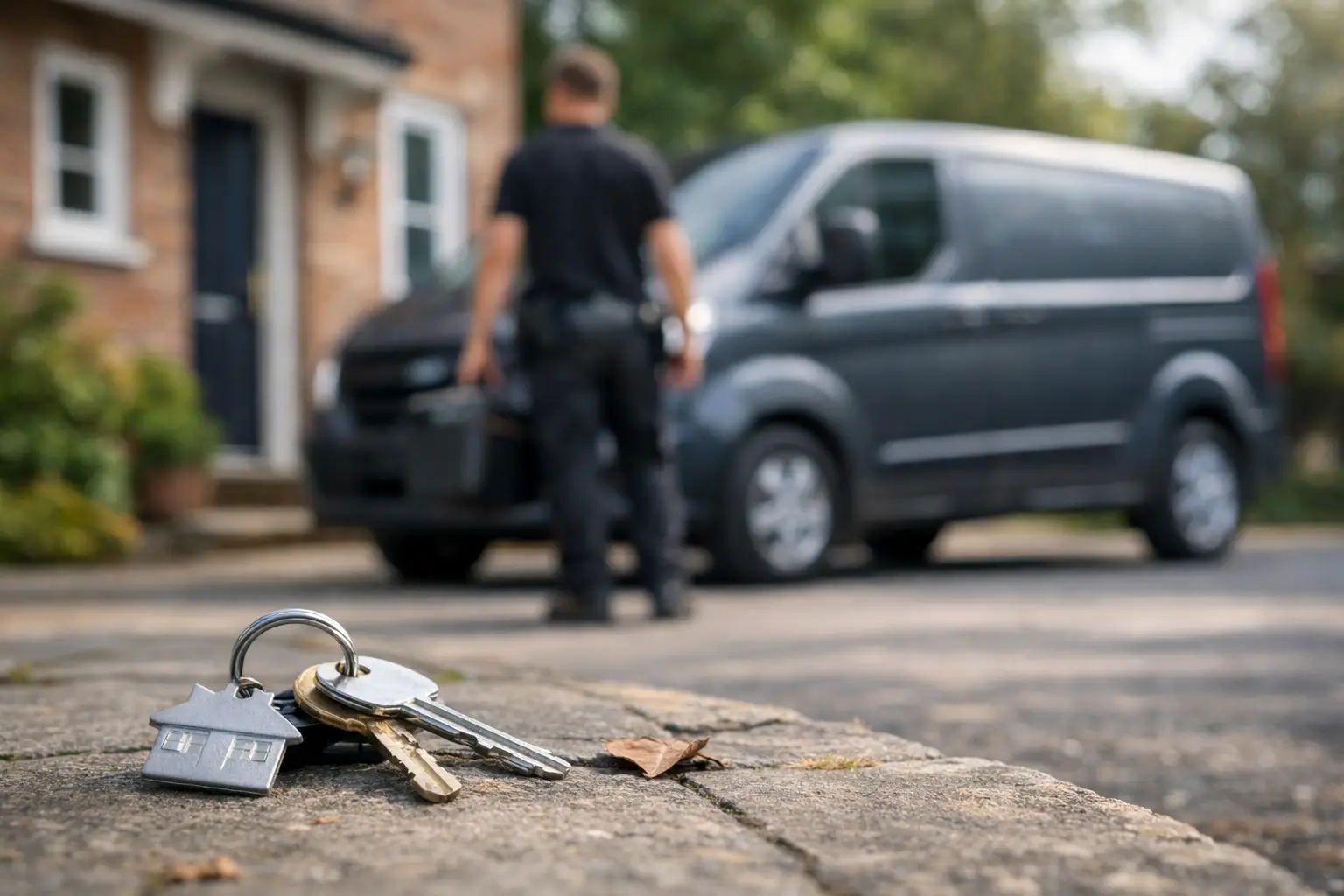
You notice your keys are missing when you are standing on the doorstep, shopping in hand, or arriving home late from work. It is frustrating, but it does not have to become a damaged door or an expensive mistake. A lost house keys locksmith can help you regain entry without unnecessary force, then advise whether your existing lock is still safe to use.
The right next step depends on where the keys may be, who could identify your address, and the type of lock on your door. The immediate aim is simple: get you safely back inside. After that, it is worth taking a calm view of your home security.
First, check the simple possibilities
Before arranging help, take two minutes to retrace your last few stops. Check pockets, bags, the car, the path from where you parked and anywhere you stopped on the way home. If you have been with a friend, at work or in a shop, call them while you are outside.
This is sensible, not a reason to wait in the cold for hours. If you are certain the keys have gone, you have children inside, you need medication, or the weather and time of day make waiting impractical, call a local emergency locksmith straight away. Keep your phone charged if possible and wait somewhere safe and visible.
Avoid trying to force a window, shoulder the door or prise the lock yourself. Modern doors, particularly uPVC and composite doors, can suffer costly damage if the mechanism, frame or glazing is put under pressure. A professional will assess the lock and use non-destructive entry methods wherever the situation allows.
When to call a lost house keys locksmith
A locksmith is the sensible choice when you cannot get in and do not have a safe spare key available. It is particularly urgent if the lost keys were attached to anything that gives away your address, such as a labelled fob, work pass, delivery tag or document in the same bag.
If the keys disappeared near your home, were taken from your car outside the property, or you suspect they were stolen, treat it as a security issue rather than only a lockout. Regaining entry is the first job. Replacing or rekeying the lock may be the safer second job.
For homes across Reading, Berkshire and the Thames Valley, a genuinely local locksmith can make a real difference on a difficult evening. You should be able to speak directly to the person dealing with the job, understand the likely work before it begins and know that you are not being charged simply for someone turning up.
Getting back inside without damaging the door
A good locksmith starts by identifying the lock and the door construction. A wooden front door with a traditional rim lock needs a different approach from a uPVC door with a multi-point locking system, for example. The aim is always to open the door cleanly where practical, not to replace parts that are still working.
Sometimes a lock can be picked or bypassed without damage. In other cases, particularly where a high-security cylinder, failed mechanism or faulty night latch is involved, a component may need to be drilled and replaced. That is not automatically a poor outcome. It may be the only secure and proportionate method, and the locksmith should explain why before proceeding.
Once inside, test the door before assuming the keys were the only problem. A stiff handle, a key that previously caught in the cylinder, or a door that had become difficult to lock can point to wear in the mechanism. Catching that problem now may prevent another lockout later.
What a locksmith may ask before starting
Expect to be asked for proof that you live at or are responsible for the property. That might be photo identification showing the address, a tenancy document, or confirmation once you are inside. If your ID is locked indoors, explain this at the start. A responsible locksmith will have a sensible process for confirming occupancy.
You should also be told what work is proposed and what it will cost before a replacement lock is fitted. Prices can vary because lock types, security ratings and door mechanisms vary. A straightforward cylinder is not the same job as a failed multi-point uPVC gearbox or a high-security lock upgrade.
Do you need to change the locks after losing keys?
Not every lost key means every lock in the house must be changed. If you dropped an unmarked key somewhere far from home and it is unlikely anyone could connect it to your address, you may decide to keep the existing lock and arrange a spare key instead.
The decision changes if the keys were stolen, if your bag or wallet also contained your address, or if you have misplaced them close to the property. In those circumstances, changing the affected external locks removes the worry that someone could return later and let themselves in.
For many modern doors, replacing the cylinder rather than the whole lock is enough. This is often quicker and less disruptive, while giving you a new set of keys. However, a locksmith may recommend a full lock or mechanism replacement when there is visible damage, a failure within the door, or a lock that no longer meets the level of security you need.
If the same key operates the front door, back door, garage and shed, think carefully about the full picture. Replacing only one cylinder might restore the front door, but it leaves the other access points unchanged. There is no single answer: it depends on which keys are missing, whether the property can be identified and which doors are exposed.
Tenants, landlords and shared homes
If you rent, contact your landlord or letting agent as soon as you can, but do not delay emergency access while waiting for a reply. Check your tenancy agreement if possible. Some agreements set out who pays for lost keys and replacement locks, although an urgent lockout still needs dealing with promptly.
Landlords and property managers should consider a lock change whenever keys cannot be accounted for between tenancies or after contractors have had access. It is a straightforward way to protect the next occupant and maintain a clear key record.
In a shared house or flat, tell the other occupants if the lost keys could be linked to the address. They need to know whether to be alert and whether a replacement cylinder is being arranged. Clear communication is more useful than panic.
Choosing the right emergency locksmith
When you are locked out, a vague advert and a low headline price can be tempting. Take a moment to establish who you are actually calling. Ask whether you are speaking to the locksmith who will attend, whether there is a callout charge, how quickly they expect to arrive and whether they can provide a price indication based on the problem described.
A local, family-run service offers direct accountability. At Lock Solutions, customers can contact Wayne directly for 24-hour help, with no callout charge and an emergency attendance target of within one hour. That personal approach matters when you are outside your own home and need clear answers, not a call centre script.
Be wary of anyone who insists that a lock must be drilled before inspecting the door, will not discuss charges, or cannot explain the replacement options. You are entitled to ask what is necessary, what is optional and what security standard the new lock provides.
After access is restored
Once the immediate problem is over, make a small plan for next time. Arrange spare keys for the people who genuinely need them, rather than leaving one under a plant pot or loose brick. A trusted neighbour, nearby relative or secure key safe can be a better option, provided the arrangement suits your household.
It is also a good time to check every external door and accessible window. Make sure locks operate smoothly, handles lift and engage properly on uPVC doors, and keys are not left in sight near letterboxes or glass panels. If you have recently moved in, changed tenants or had builders through the property, changing locks is often worthwhile even if no keys are currently missing.
Losing your keys is enough stress for one day. Call for help, avoid damaging the door, and make the security decision once you are safely inside and have the facts in front of you.