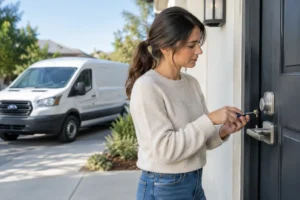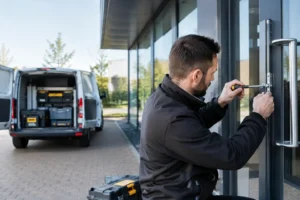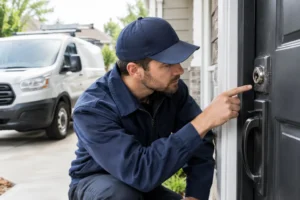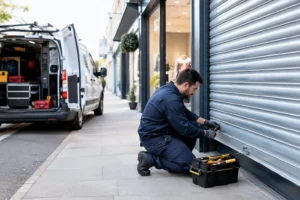
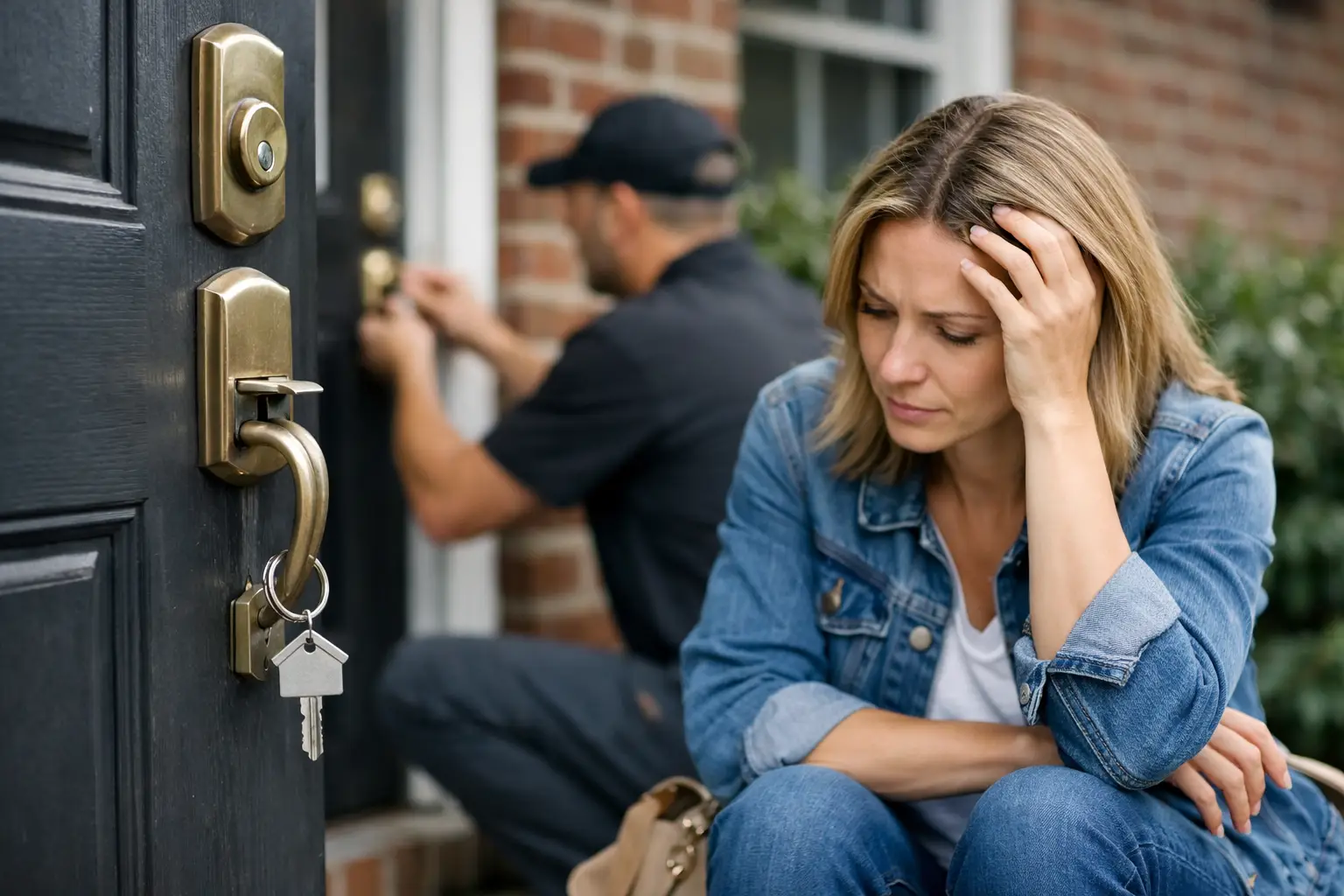
A locked out of house Reading moment rarely happens at a convenient time. It is often when you are heading to work, collecting children, bringing shopping in, or returning home late in the evening. The priority is simple: stay safe, avoid turning a small problem into damaged door furniture or a broken window, and get the right help.
If you are outside your home in Reading, take a breath before trying anything. A professional locksmith can usually assess the door, explain what has happened and regain entry without causing unnecessary damage. That matters, particularly with modern composite doors, uPVC doors and multipoint locking systems that can be expensive to put right if forced.
First, make sure everyone is safe
Being locked out is frustrating, but it can become urgent very quickly. If a child, vulnerable person or pet is inside alone, or if there is a fire risk such as cooking left on, call the emergency services where appropriate. Do not delay while trying to solve the lock problem yourself.
If nobody is in immediate danger, move somewhere safe and sheltered where possible. Keep your phone charged, particularly after dark or during poor weather. If you are locked out near a busy road, avoid standing close to traffic while you look for keys or make calls.
It is also worth checking the obvious without repeatedly pulling at the handle. Is there a spare key with a trusted neighbour or family member? Has another adult in the household got a key? Is there a safe, legitimate way to enter through another unlocked door? Only do this if it does not involve climbing, forcing a window or putting yourself at risk.
Why doors lock you out in the first place
Lost keys are the most familiar cause, but they are far from the only one. Keys can snap in the cylinder, a lock can wear out, or a door can suddenly refuse to open even when the key turns. With uPVC and composite doors, the internal gearbox or multipoint mechanism may fail, leaving the door locked shut.
A door can also become difficult after changes in temperature or moisture. Timber doors may swell slightly, while hinges and keeps can move out of alignment over time. You might find that lifting the handle feels different, the key needs more pressure than usual, or the door only locks if you push or pull it in a certain direction. These are warning signs worth dealing with before a complete lockout occurs.
There is a difference between a key that will not turn and a door that will not open after the key has turned. The first may point to a worn or damaged cylinder. The second can suggest an issue with the latch, handle or multipoint mechanism. The cause affects the best repair, which is why a proper assessment is better than guessing.
What not to do when you are locked out
The temptation to fix the issue yourself is understandable, especially if you believe the key is only on the other side of the door. Yet improvised entry attempts are where many straightforward jobs become more costly repairs.
Do not force the handle, kick the door, drill the lock or prise the frame apart. Avoid trying to remove a cylinder unless you know exactly how the lock is fitted. These approaches can damage the door, compromise its security and leave you needing replacement parts as well as an emergency entry service.
Be cautious about social media adverts or national-looking emergency locksmith listings that offer an unrealistically low starting price. A low headline figure may not tell you who is attending, where they are travelling from or what work will actually cost. Ask who you are speaking to, whether there is a callout charge, and whether they can give clear information about the likely next steps before setting off.
Getting back into your Reading home without damage
For most domestic lockouts, a skilled locksmith will aim for non-destructive entry first. The method depends on the type of lock, the door and the fault itself. A standard rim lock, a euro cylinder, a mortice lock and a failed uPVC mechanism all require different approaches.
Non-destructive entry is not a promise that no part will ever need replacing. If a cylinder has failed internally, a key has snapped in the lock, or a mechanism has broken, replacement may be the sensible and secure option. The important point is that replacement should be based on the condition of the lock, not used as the default answer to every lockout.
Once entry has been gained, the work should not stop at opening the door. A good locksmith will identify why you were locked out and explain whether the existing lock is reliable enough to keep using. If the issue was a slipped uPVC mechanism or a worn cylinder, dealing with it there and then can prevent the same problem happening again the following week.
Lock Solutions provides direct, local 24-hour locksmith support across Reading, with no callout charge and a one-hour emergency attendance target. You speak to a local, family-run business rather than being passed through a national call centre, so you can explain what has happened and get straightforward advice from the outset.
If your keys are lost, not just left inside
A forgotten key is inconvenient. A lost key is also a security question. If the keys have your address attached, were stolen from a bag, or may have been dropped close to your property, changing the lock cylinder is usually the sensible choice. It removes the risk of someone returning later and trying their luck.
If you rent your home, tell your landlord or letting agent as soon as possible, particularly where a replacement lock is needed. In an emergency, you may still need to arrange entry immediately. Keep any invoice and let the relevant person know what work was carried out. For landlords and property managers, a clear record of replacement locks and issued keys avoids confusion at the next tenancy change.
Not every lost-key situation requires changing every lock in the house. It depends on which keys are missing, whether they can be linked to the property, the age and type of the locks, and who may have had access. A locksmith can talk through a proportionate solution rather than selling unnecessary work.
Common problems with uPVC and composite doors
Many Reading homes have uPVC or composite doors with multipoint locking strips. They offer good security, but they rely on several moving parts working together. When the handle becomes floppy, the key turns but the door will not open, or the door needs lifting before it locks, it is time to arrange a repair.
Do not keep applying more force to a stiff handle. A minor alignment problem can place strain on the mechanism until it fails completely, often when the door is shut and you need to leave or get home. Early adjustment, replacement of worn parts or a new cylinder can be much simpler than an out-of-hours lockout.
Windows can cause similar trouble. A jammed handle, failed window lock or key that no longer operates properly can affect both ventilation and security. It is better to have these faults checked than leave a window partly secured or rely on it as an emergency way into the house.
Choosing a locksmith when time matters
When you need help quickly, local accountability makes a difference. Ask whether the locksmith is based in the area, whether there is a callout fee and whether they will attempt non-destructive entry where suitable. You should also expect plain-English explanations before any replacement parts are fitted.
A reputable locksmith will not pressure you into upgrading every lock during a stressful visit. Security improvements can be worthwhile, especially after a break-in or when moving into a new home, but they should fit the property, the door and your budget. Recognised products from manufacturers such as Yale, Chubb and Union can be a sensible choice where replacement is required, provided the lock is correctly fitted.
Preventing the next lockout
Once the immediate problem is solved, a few simple habits can save a great deal of hassle. Keep a spare key with someone you genuinely trust rather than hiding one under a mat or plant pot. If several people need access, consider having proper copies cut rather than sharing a single key between households.
Pay attention to a lock that sticks, a key that catches or a handle that needs lifting harder than it used to. These are not quirks to live with. They are often the first signs that a lock or door mechanism needs attention. A planned repair gives you more choice and less stress than dealing with it on the doorstep at night.
If you are currently locked out, do not risk damage or injury trying to force your way back in. Stay somewhere safe, gather any useful details about the door or lock if you can, and call for a local locksmith. Calm, practical help is usually much closer than it feels when your keys are on the wrong side of the door.