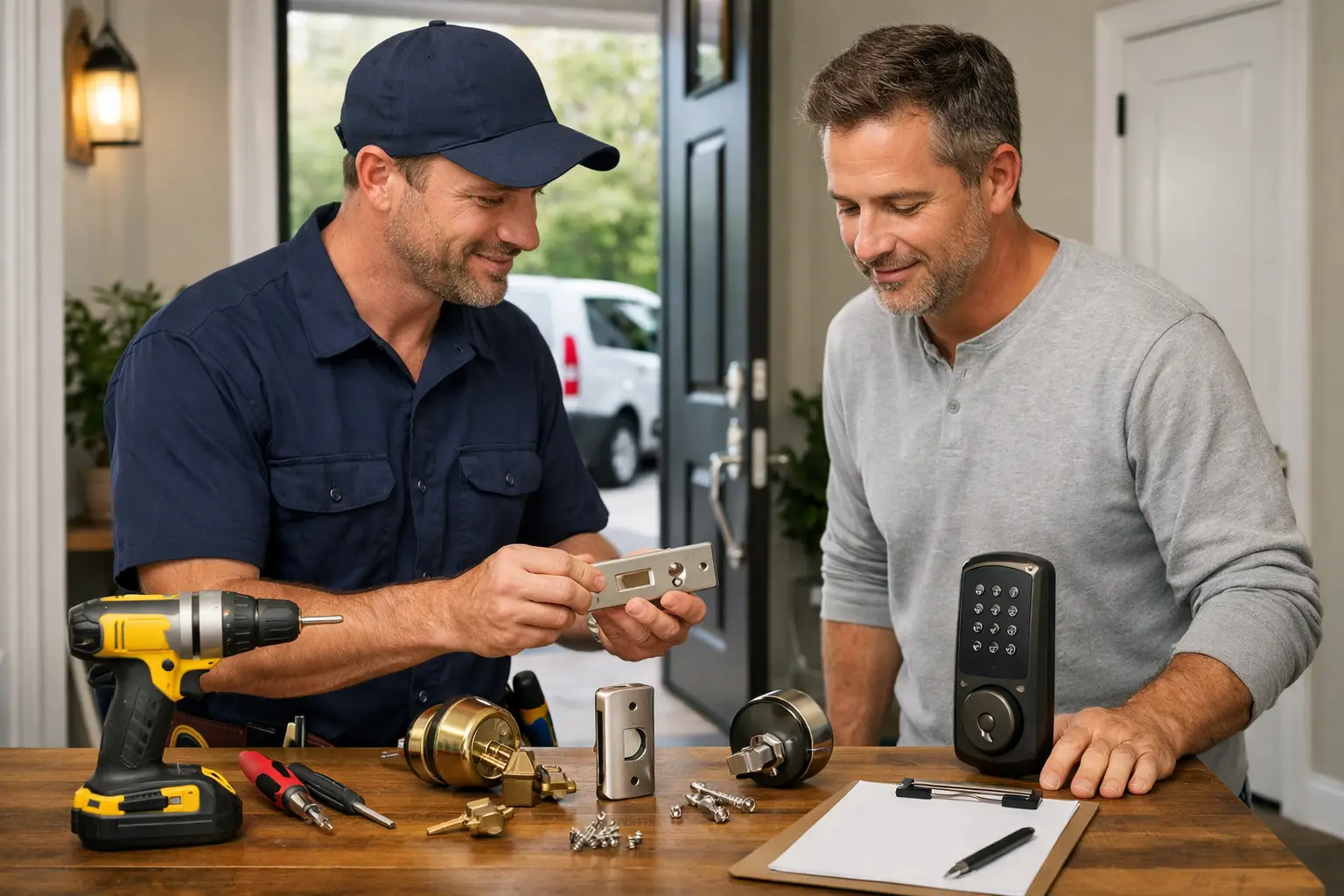
A home security lock upgrade is rarely just about fitting the most expensive lock on the shelf. The right work starts with the door you have, how it is used and where its weak point actually is. A modern cylinder on a poorly aligned uPVC door, for example, may still leave you struggling to lock up – and could put unnecessary strain on the mechanism.
For homeowners, landlords and business owners, the best approach is to deal with the basics first: make sure every external door closes properly, the lock operates smoothly and the hardware suits the door. Then you can decide whether a repair, a cylinder change or a full replacement gives you the protection and value you need.
Start with the doors that matter most
Your front door deserves attention first, but do not overlook side entrances, back doors, patio doors, garage access doors and doors linking a house to an integral garage. These are often used less often, which means a worn lock or sticking mechanism can go unnoticed for months.
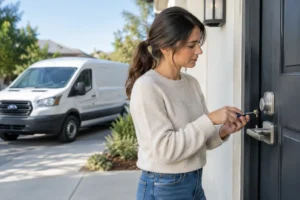
Walk around the property with the door shut behind you each time. Does the key turn without force? Does the handle lift or return properly? Is the cylinder loose, proud of the handle or difficult to remove? Can you see gaps around the frame, signs of movement, cracked keeps or loose hinges? Small faults do not always mean an intruder can get in, but they can make a door easier to attack and far more likely to fail when you need it.
If you have recently moved home, changing the external door cylinders is usually sensible even when the existing locks appear sound. You cannot know how many keys previous owners, tenants, tradespeople or neighbours may still hold. This is one of the clearest occasions for a lock change because it restores control immediately.
Match the lock upgrade to the door type
There is no single best lock for every property. Timber, composite, uPVC and aluminium doors have different hardware arrangements, and fitting the wrong part can create problems rather than solve them.
uPVC and composite doors
Many uPVC and composite doors use a multipoint locking system. When you lift the handle, hooks, rollers, bolts or mushrooms engage at several points along the edge of the door. The key cylinder then locks the system in place.
People often assume a faulty uPVC door needs a whole new lock. Sometimes it does not. A worn cylinder can be replaced separately, while a door that only locks when pushed or lifted hard may need adjustment. If the handle is floppy, stiff or will not lift, the gearbox or multipoint mechanism may be at fault.
A quality anti-snap euro cylinder is often a worthwhile upgrade where the existing cylinder is basic or visibly protrudes beyond the handle. The cylinder should be correctly sized so it sits neatly within the furniture, rather than leaving an exposed section that could be gripped or attacked. Security handles may also be appropriate, particularly where the current handles are loose, thin or damaged.
Timber doors
A traditional timber front door may have a nightlatch and a separate mortice deadlock. Both can play a useful part, provided they are fitted securely to a solid door and frame. A deadlock is generally the lock to assess first because it offers physical resistance when properly installed.
The condition of the frame matters as much as the lock case. A strong deadlock fitted into soft, split timber or a weak keep is not doing all the work it should. Reinforcing the strike area and repairing damaged timber can be more valuable than simply swapping the lock.
If a nightlatch is old, loose or has become unreliable, replacing it with a recognised brand and suitable security level can make daily use easier as well as improving security. Your locksmith can advise whether the existing mortice lock meets the standard required by an insurer, where that is relevant.
Patio, French and garage doors
Patio doors have their own locking arrangements and should not be treated as an afterthought. Check that the door slides or closes fully, the lock engages cleanly and any additional security fittings are compatible with the door. For French doors, the inactive leaf and its bolts need checking as carefully as the main lock.
A side garage door can be a vulnerable point if it has a lightweight lock, damaged frame or poor internal access control. If it leads directly into the house, treat it as an external entrance, not just a storage-room door.
A home security lock upgrade should fix the cause
A lock that jams is not always a bad lock. Seasonal movement, worn hinges, a dropped door, swollen timber, poor alignment or a damaged handle can all make a lock feel faulty. Replacing a cylinder without correcting those issues can lead to another callout soon afterwards.
Pay attention to the warning signs. A key that needs wiggling, a handle that has to be forced upwards, a lock that catches only in cold weather or a door that will not secure unless you pull it towards you all deserve inspection. Do not keep applying force. A key can snap in the cylinder, or an internal mechanism can fail while the door is shut, leaving you locked out.
There is also a balance between repair and replacement. Repair is often the sensible, lower-cost option when a quality mechanism has a specific failed component or the door merely needs adjustment. Replacement is more appropriate when the lock is obsolete, badly worn, damaged following an attempted break-in, not suited to the door, or below the level of security you now require.
Do not judge security by the key alone
A large, complicated-looking key does not automatically mean a stronger door. Security is a combination of the cylinder or lock, handles, keeps, hinges, frame, glazing and the way the door fits. A weak link can undermine good hardware.
Check external hinges for loose screws or visible damage. Make sure letterboxes, glazing panels and nearby windows do not allow easy reach to an internal thumbturn or key left in the lock. Consider how keys are managed too. Leaving spare keys under pots, mats or in an unlocked shed is a familiar risk that no upgraded cylinder can solve.
For rental properties, key control is particularly important. A cylinder change between tenancies may be more practical than collecting and accounting for every old key. Landlords should also deal with faults early: tenants are more likely to report a stiff handle than a lock that has finally failed on a Sunday evening.
Choose recognised hardware and proper fitting
Known lock manufacturers such as Yale, Chubb and Union have long-standing reputations, but the exact product still needs to be suitable for the application. A lock should be selected for its size, operation, security rating and compatibility with the existing door furniture.
It can be tempting to buy a cheap cylinder or handle online and fit it yourself. For straightforward internal doors that may be fine. For an external entrance, incorrect sizing, poor alignment or unsuitable fittings can leave the door less secure and may damage the multipoint mechanism. The price of a part is only one part of the decision.
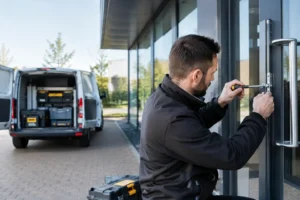
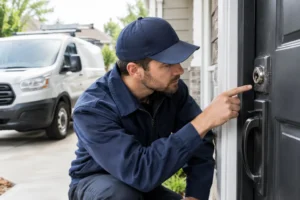
A professional locksmith can measure the cylinder accurately, assess whether the door needs adjustment, identify a failing gearbox before it fails completely and explain the options without technical jargon. Ask what is being changed, why it is needed and whether a repair would be a sensible alternative. You should be clear about the work and cost before it goes ahead.
When to arrange the work – and when to call straight away
Planned upgrades are easiest to arrange before there is a problem. Consider booking an assessment after moving house, completing building work, changing a tenancy, losing a key or noticing that a door is becoming difficult to secure.
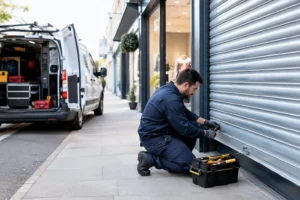
Call for urgent help if a key has been stolen with information that identifies your address, a lock has been damaged, there has been an attempted break-in, the key has snapped, or the door will no longer lock securely. If you are locked out, avoid forcing the handle, drilling the cylinder or trying makeshift tools. That can turn a repairable issue into a more costly replacement.
For properties across Reading, Berkshire and the Thames Valley, Lock Solutions provides direct, local locksmith support, including emergency attendance and planned lock work. There is no callout charge, and you can speak to a locksmith about the fault rather than a national call centre.
A secure home is built from ordinary checks done at the right time: a door that lines up, a lock that works without force, keys you control and hardware suited to the entrance. If something feels wrong when you lock up tonight, deal with it before it becomes the problem that keeps you outside tomorrow.