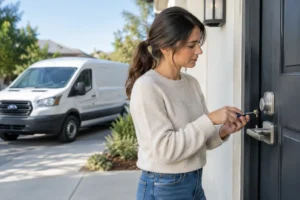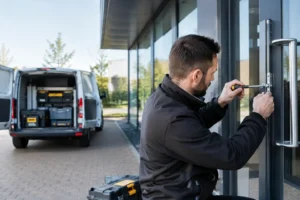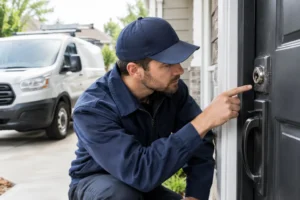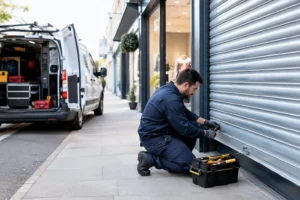
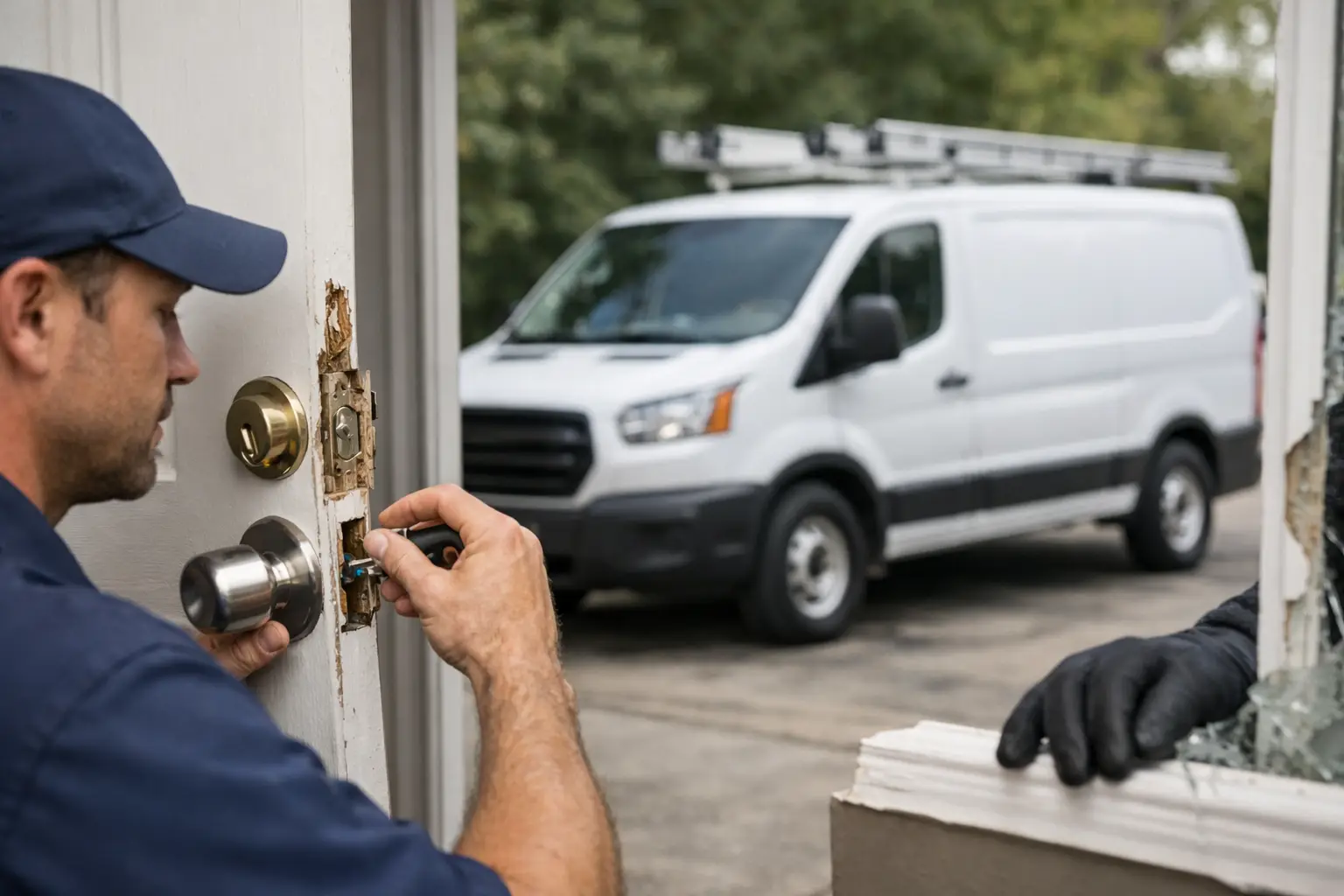
The house can feel very different after a break-in. Even when the damage is limited, the knowledge that someone has been inside is unsettling. One of the first practical questions is whether to change locks after burglary – and, in most cases, the answer is yes. The priority is to make the property secure again, remove any doubt over who may have access, and give you back a little peace of mind.
A burglary is not always a straightforward case of a smashed lock. An intruder may have forced a door, snapped a euro cylinder, found an unsecured window, used a stolen key, or simply taken advantage of an old lock that was already failing. The right response depends on how they got in, what has been damaged and the standard of security you need going forward.
Why change locks after burglary?
If keys were stolen, missing or left where an intruder could identify your address, changing the locks is the sensible option even if there is no obvious damage. A key can be copied quickly, and you cannot know whether it has been kept for later use. Replacing the relevant cylinder or lock removes that risk immediately.
Where a door has been forced, the visible damage is often only part of the issue. A lock may still turn, but the internal mechanism, keeps, door frame or handle fixings may have been weakened. Leaving a compromised lock in place can make a second attempt far easier. A locksmith can check the complete door set-up rather than judging the lock by appearance alone.
There is also the insurance position. Many policies expect reasonable steps to be taken to secure a property after an incident. Insurers vary, so it is worth checking your documents before authorising non-urgent repairs where possible. Take clear photographs of damage first, keep receipts for emergency work, and obtain a crime reference number from the police.
Secure the property before making big decisions
Call the police if you have not already done so, and avoid touching areas where evidence may be needed. Once they have attended or confirmed what they need, the immediate job is to secure every entrance. This may mean an emergency lock replacement, a temporary boarding-up arrangement, or repairing a damaged uPVC door mechanism so the door closes and locks properly.
Do not rely on a chain, furniture pushed against the door or a damaged lock that appears to catch. Those are short-term measures at best and may leave you unable to lock up safely overnight. If you are in Reading, Berkshire or the surrounding area and need urgent help, a local locksmith can assess the damage at the door, explain the options in plain English and carry out the work needed to make the property secure.
It is reasonable to feel pressured after a burglary, but you should not be pressured into buying the most expensive solution. The right repair is one that addresses the method of entry and suits the door. Sometimes that means replacing one cylinder. Sometimes the lock case, handles, frame repair or additional security needs attention too.
Replacement lock or repair: what is needed?
When a cylinder replacement is enough
Many modern front and back doors use a euro cylinder. If the cylinder has been snapped, drilled, damaged or its keys have been taken, replacing it may be all that is required – provided the handle, multipoint mechanism and door frame are sound.
For a uPVC or composite door, it is usually possible to change the cylinder without replacing the whole locking mechanism. This keeps costs sensible while allowing you to upgrade to a better-rated cylinder. A locksmith should test the door alignment and locking points at the same time, because a poorly aligned door puts strain on a new lock and can lead to future failure.
When the whole lock needs attention
A timber door may have a mortice lock, night latch, rim cylinder or a combination of locks. If force has split the timber around the keep, bent the strike plate or damaged the lock body, replacing only the part that takes the key may not restore proper security. The frame and fixings need to be made sound as well.
For commercial premises, the decision can be broader. A stolen staff key may affect several doors, restricted key systems, shutters, cabinets or access-controlled areas. In that situation, rekeying or replacing a suite of locks may be more appropriate than dealing with one door in isolation. It is worth considering who holds keys, whether keys are signed out, and whether any former staff or contractors still have access.
Choose security that matches the door
After a break-in, it is tempting to add every available upgrade. More hardware is not automatically better. A strong cylinder fitted to a weak door frame, for example, will not solve the underlying problem. Security works best when the lock, handles, keeps, hinges, frame and glazing are considered together.
For doors with euro cylinders, ask about anti-snap protection and suitable security standards. For wooden doors, the quality and fitting of mortice locks, rim locks and reinforcing hardware matter. Patio doors, garage doors and accessible windows should also be checked if they could offer an easier route into the property.
A few sensible improvements may make a meaningful difference:
- Replace stolen or unaccounted-for keys by changing or rekeying the affected locks.
- Repair loose handles, worn hinges and misaligned doors that stop locks engaging fully.
- Fit security-rated cylinders or locks that are appropriate for the type of door.
- Improve external lighting and make side gates, sheds and garages properly lockable.
The goal is not to turn your home into a fortress. It is to remove obvious weaknesses and make forced or opportunist entry more difficult.
Do not forget windows, outbuildings and spare keys
Burglars do not always enter through the front door. Check ground-floor windows, rear doors, conservatories, letterboxes, garages and sheds. If a window lock has been forced, it may need more than a new key – the handle, espagnolette mechanism or window alignment could be damaged.
Think carefully about spare keys too. A key safe with an unchanged code, a key hidden outside, or a spare held by someone you no longer need to have access can undermine the work you have just paid for. Let trusted neighbours, relatives or carers know about any new key arrangements, and make sure tenants or staff receive only the keys they need.
If post has been taken, monitor bank accounts and contact relevant providers. Change passwords for home-security apps, Wi-Fi routers and smart locks if there is any chance devices, paperwork or access details were compromised. Mechanical locks are only one part of restoring control over the property.
Questions to ask before work starts
A reputable locksmith should be happy to explain what failed, what needs replacing and why. Ask whether the quoted work is a repair, a like-for-like replacement or a security upgrade. Clarify how many keys are included, whether the lock carries a manufacturer guarantee, and whether any frame or door adjustment is needed.
It is also fair to ask about the total cost before work begins. Emergency work can involve parts and labour, but a clear explanation avoids unwelcome surprises at an already difficult time. Be wary of vague adverts that promise a very low price but cannot confirm who will attend or what the likely charge will be.
Lock Solutions is family-run, with direct local locksmith support and no call-out charge. If your property has been burgled, the focus should be on getting it secure quickly, not navigating a national call centre or guessing who is arriving.
Give yourself permission to act promptly
Changing locks after a burglary is not an overreaction. It is a practical response to a breach of security, particularly when keys are missing, locks have been forced or you cannot be certain how entry was gained. Report the incident, document the damage, secure the property, then have the doors and windows assessed properly.
Once the immediate work is done, take a moment to test every lock yourself and keep the new keys in a safe, known place. A properly secured home will not erase the experience, but it does give you a clear, useful first step towards feeling settled there again.