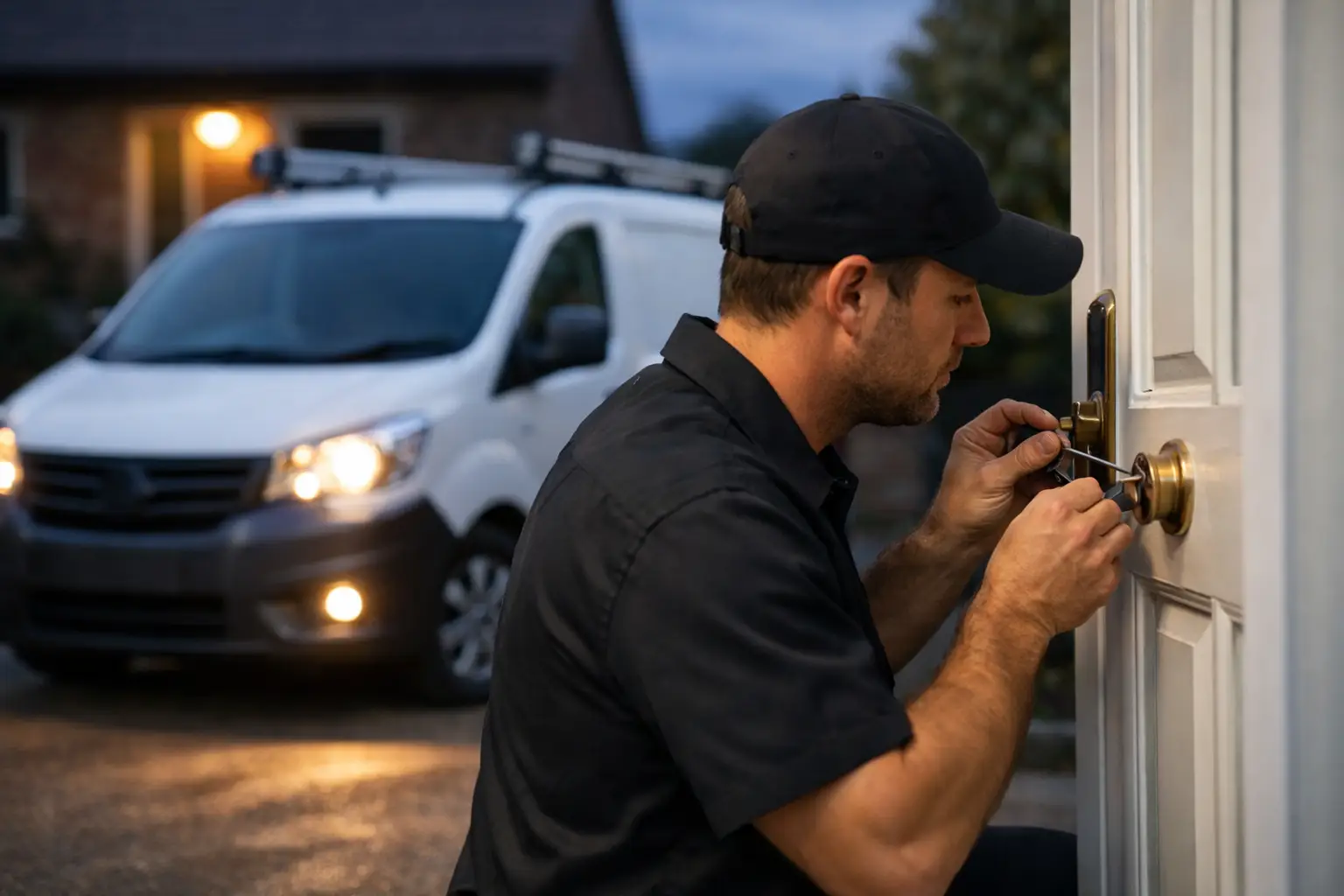
A lock problem rarely waits for a convenient time. It might be a front door key that will not turn after a late shift, a snapped key on the way out, or a shop shutter that will not secure at closing time. When you need a 24 hour locksmith Reading residents can rely on, the priority is simple: regain safe access or make the property secure without adding to the stress.
The right response depends on what has happened. A lost key calls for a different approach from a failed uPVC mechanism, and a locked-out tenant needs a different decision from a business owner who cannot lock up. What matters is speaking to a local locksmith who can assess the problem clearly and deal with the work that is actually needed.
First, work out whether it is an access or security emergency
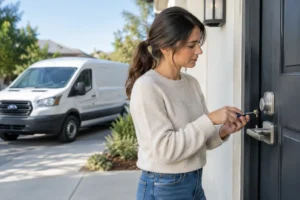
If you are locked outside but your property is secure, take a moment before trying to force the door. Repeatedly turning a stiff key, pushing hard on a handle or using improvised tools can damage the cylinder, door frame or multipoint locking system. That can turn a straightforward entry job into a larger repair.
If a door will not lock, a key has been stolen, there has been a break-in, or the lock has been damaged, treat it as a security emergency. Move yourself and anyone else to a safe place if necessary, then arrange for the door, window or shutter to be secured promptly. For a suspected crime or immediate danger, contact the police first. A locksmith can then repair or replace the affected lock and help restore the property’s security.
For rented homes, landlords and managing agents should be informed as soon as practical. In a genuine emergency, however, waiting until morning is not always sensible. An unsecured external door puts the tenant, the property and neighbouring homes at risk.
What a 24-hour locksmith in Reading can help with
Night-time call-outs are not limited to people who have left their keys indoors. Locks fail for many reasons, particularly on well-used doors, older cylinders and uPVC doors with worn multipoint mechanisms. Cold weather, misaligned doors and a key that has gradually become difficult to turn can all expose an existing fault.
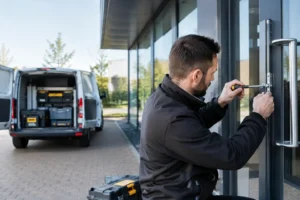
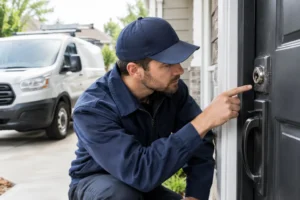
A local emergency locksmith should be able to deal with common problems such as non-destructive entry after a lockout, broken or lost keys, snapped keys in cylinders, damaged locks after a break-in and doors that will not lock properly. They can also diagnose a jammed uPVC door, window lock or patio door mechanism, where the issue may lie with the gearbox, keeps, hinges or alignment rather than the key itself.
For drivers, auto locksmith help may be needed when car keys are lost, damaged or locked inside the vehicle. The safest option varies by make, model and key type, so explain exactly what has happened when you call. Clear details help the locksmith arrive prepared rather than making assumptions about the fault.
Why direct local contact matters after hours
When you are standing outside in the rain or trying to secure a premises at 11pm, it is tempting to ring the first advert that appears. Some national platforms, however, act as call centres. The person answering may not be the locksmith attending, and the final cost or arrival time can be unclear until much later.
A direct local service gives you a better chance to explain the job to the person responsible for it. You can ask whether there is a callout charge, what attendance time is realistic, whether the lock is likely to be repaired or replaced, and what information they need before setting off. Those are reasonable questions, not awkward ones.
Lock Solutions is an independent, family-run business based in Reading, with emergency calls handled directly by owner-manager Wayne. There is no callout charge, and emergency jobs have a stated one-hour attendance target across the local area. That direct accountability matters when you need practical help rather than a booking reference and a long wait.
Be wary of a price that sounds too good to be true
Locksmith work cannot always be priced fully over the phone, because the condition of the lock and door is not known until it is inspected. A fair locksmith should still be able to explain how charges work before attending and discuss the likely options once they have diagnosed the problem.
The trade-off between repair and replacement is a good example. If a lock can be repaired safely and reliably, that may be the sensible and less expensive route. If the cylinder is badly worn, the mechanism has failed repeatedly or the lock no longer offers suitable security, replacement can save money and disruption later on.
Ask for an explanation in plain English. If a replacement is recommended, find out why the existing part cannot be repaired, what type of lock is being fitted, and whether it meets the required security standard for the door. Recognised brands such as Yale, Chubb and Union have established product ranges, but the right choice still depends on the door, the existing hardware and the level of security required.
What to tell the locksmith when you call
A short, accurate description can make an emergency call-out much smoother. Say whether you are locked in or out, whether the door is open but will not lock, and whether any key is available. Mention if the key has snapped, the handle is loose, the door is uPVC, composite, timber or aluminium, or there are signs of attempted forced entry.
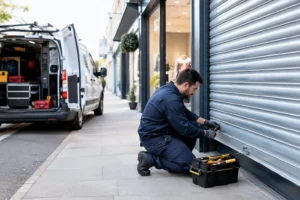
It also helps to give the full Reading address, the property type and any access details that could affect arrival. For commercial premises, explain whether staff are inside, whether stock or equipment is exposed, and if the issue involves a shutter, fire exit, office door or communal entrance.
A professional locksmith may ask for proof that you live at or are authorised to access the property. This protects everyone involved. If your identification is locked inside, explain that at the start so a sensible way to confirm occupancy can be arranged.
Avoid making the damage worse while you wait
Do not drill a lock, remove door hinges, smash glass or force a uPVC handle unless there is an immediate risk to life and emergency services have advised it. These actions can cause expensive damage and may weaken the door even after the lock has been fixed.
If the key is sticking, stop turning it before it breaks. If a uPVC door will not engage, avoid lifting or forcing the handle repeatedly. Keep spare keys out of sight, rather than leaving them under a mat or in an obvious garden hiding place. If you have recently moved home, lost keys or had a relationship change where keys may have been copied, changing the external locks is a sensible precaution.
For businesses, keep a record of who holds keys and review access when staff leave. A small amount of key control can prevent a much bigger out-of-hours security problem.
After the emergency is resolved
Once access has been restored, ask what caused the fault and whether there are signs of further wear. A door that needed force to close, a cylinder that has become stiff or a loose handle are warnings worth addressing before the next failure happens at the worst possible time.
For landlords and property managers, recording the work completed is especially useful. It helps with maintenance planning, provides a clear history for tenants and can show whether a recurring issue is due to the lock, the door alignment or the way the door is being used.
The best time to find a dependable locksmith is ideally before an emergency, but lock problems do not always allow for planning. If you are locked out or unable to secure your Reading property, stay calm, avoid forcing the lock and call for direct, local help that explains the next step clearly.