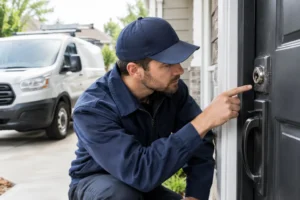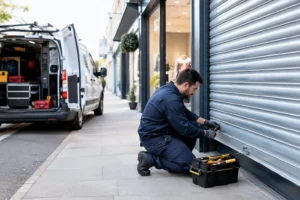

A lock rarely fails at a convenient time. It may be a front door key that suddenly will not turn after work, a tenant unable to secure a rental property, or a shop door that will not lock at closing time. For lock repair Reading customers can rely on, the first question is usually simple: can it be fixed today, or does the whole lock need replacing?
The honest answer depends on what has failed, how secure the door remains and whether the existing hardware is still suitable. A good locksmith should diagnose the fault first, explain the options plainly and only recommend replacement where it is necessary. In many cases, a targeted repair restores safe, reliable use without the cost of changing every part.
Lock repair Reading: common faults that can be fixed
Not every stiff or temperamental lock is worn out. Sometimes the problem sits with a small part of the mechanism, the alignment of the door, or a key that has become damaged through daily use.
A common example is a lock that works when the door is open but sticks when it is shut. This often points to door alignment rather than a failed lock. Changes in temperature, loose hinges, swelling timber or movement in a uPVC door can stop the latch, bolt or multipoint hooks from lining up properly with the frame. Forcing the key in this situation can make a manageable repair much worse.
Keys also cause their share of problems. A bent, worn or poorly cut duplicate may not lift the internal pins correctly. If the original key still works, a fresh, accurately cut key may be all that is needed. If a key has snapped in the cylinder, it may be possible to remove the broken piece and inspect the lock before deciding whether a replacement is required.
Mortice locks, commonly found on timber doors, can often be repaired when the latch fails to spring back, the handle feels loose or the key starts catching. The internal parts may be worn, obstructed or out of position. Whether repair makes sense will depend on the age and condition of the lock, as well as the security standard needed for the door.
Cylinder locks on uPVC, composite and aluminium doors can also develop faults without the entire locking system failing. A key that turns only with effort, a thumbturn that feels loose or a cylinder that has become difficult to operate may be repairable. However, once a cylinder is badly worn, damaged after an attempted break-in, or no longer provides appropriate protection, replacement is generally the better long-term choice.
uPVC door mechanisms need a careful diagnosis
A uPVC door that will not lock is not always a cylinder problem. Many doors use a multipoint locking mechanism, with several hooks, rollers or bolts engaging along the edge of the door. When the handle will not lift, lifts only part way, or drops without operating the lock, the fault may be in the gearbox, the keeps on the frame or the door alignment.
This is one reason DIY fixes can be risky. Spraying oil into the keyway or leaning heavily on a stiff handle may offer a brief improvement, but it can also mask the underlying issue. If the door has to be pushed, lifted or pulled hard to lock, it is best to stop using force and have it checked before the mechanism jams completely.
A locksmith can test whether the multipoint mechanism operates with the door open, inspect the alignment and identify whether the gearbox or another component has failed. A repair may involve adjustment or replacing the affected part. If the mechanism is obsolete or extensively damaged, replacement can be more dependable than repeatedly repairing a system at the end of its working life.
When replacing the lock is the safer option
Repair is often the sensible first route, but there are situations where replacement is the responsible recommendation. The most obvious is after lost or stolen keys. Even if the lock works perfectly, you cannot know who may have access to those keys. Changing the cylinder, or replacing the relevant lock, restores control over who can enter.
Replacement is also advisable after a burglary or attempted burglary. Damage may be visible, such as a bent handle, broken cylinder or splintered timber around a lock, but it is not always obvious. Internal parts can be weakened by force. Securing the property promptly matters more than trying to preserve a lock that may fail again.
Older locks may not meet the security expectations of modern external doors or the requirements set out in an insurance policy. This does not mean every old lock must be replaced immediately. It does mean that a repair should be considered alongside the level of protection it provides. A sound lock repaired on an internal door is one thing; an outdated lock on a main entrance is another.
Replacement can also be the more economical option when parts are unavailable or several faults have appeared at once. Paying for repeated work on a tired mechanism can cost more over time than fitting a suitable quality replacement from a recognised manufacturer such as Yale, Chubb or Union.
What to do when your lock fails
Your priority is access and security. If you are locked out, do not try to force the door, drill the lock or climb through a window. These actions can damage the door, frame and glazing, turning a lock repair into a much larger job.
If you are inside but cannot lock the property, avoid leaving it unattended if possible. Close the door securely, keep keys away from the lock and arrange professional help promptly. For businesses, consider whether staff, stock or confidential information could be exposed before deciding whether the premises can safely remain open.
Take note of what the lock is doing. Does the key turn? Does the handle lift? Does it work with the door open but not closed? These details help a locksmith understand the likely fault and arrive prepared. There is no need to dismantle anything yourself.
For an urgent fault in Reading or the wider Berkshire area, contact Lock Solutions. You can speak directly with Wayne rather than a national call centre, with 24-hour support, no callout charge and a target of attending emergency jobs within one hour.
Repair versus replacement: what affects the cost?
The cost is not based on one fixed answer because locks differ widely. A straightforward key extraction, cylinder adjustment or door realignment is usually less involved than replacing a multipoint mechanism or repairing damage after forced entry. The type of door matters too. Timber, uPVC, composite, aluminium and commercial doors all use different hardware and can require different approaches.
The level of security you choose affects the price of replacement hardware. A basic internal lock does not need the same specification as a front-door cylinder protecting a family home or a commercial unit. A reliable locksmith should explain the choices without pressuring you into the most expensive option.
It is also worth asking whether the work solves the cause of the problem, not merely the symptom. Replacing a cylinder will not cure a poorly aligned uPVC door. Equally, adjusting a door will not repair a cylinder that has been damaged or worn beyond reliable use. Getting the diagnosis right is where the value lies.
Small signs that should not be ignored
Locks often give warning before they fail completely. A key that needs jiggling, a handle that becomes stiff, a latch that does not retract cleanly or a door that needs a shoulder to close are all reasons to arrange an inspection. Acting early can prevent a lockout, reduce the chance of a damaged key and make it easier to secure the property without an emergency replacement.
A little care helps as well. Use the correct key, avoid hanging heavy keyrings from it while it is in the lock, and do not force a stiff handle. Keep an eye on doors that catch in damp or cold weather, particularly older timber doors and uPVC doors that may have moved slightly over time.
The right answer is not always repair or always replacement. It is the work that leaves your door secure, easy to use and unlikely to let you down when you need it most. If a lock is sticking, damaged or refusing to work, do not wait for it to become a late-night emergency. Get it checked while there is still a straightforward solution.