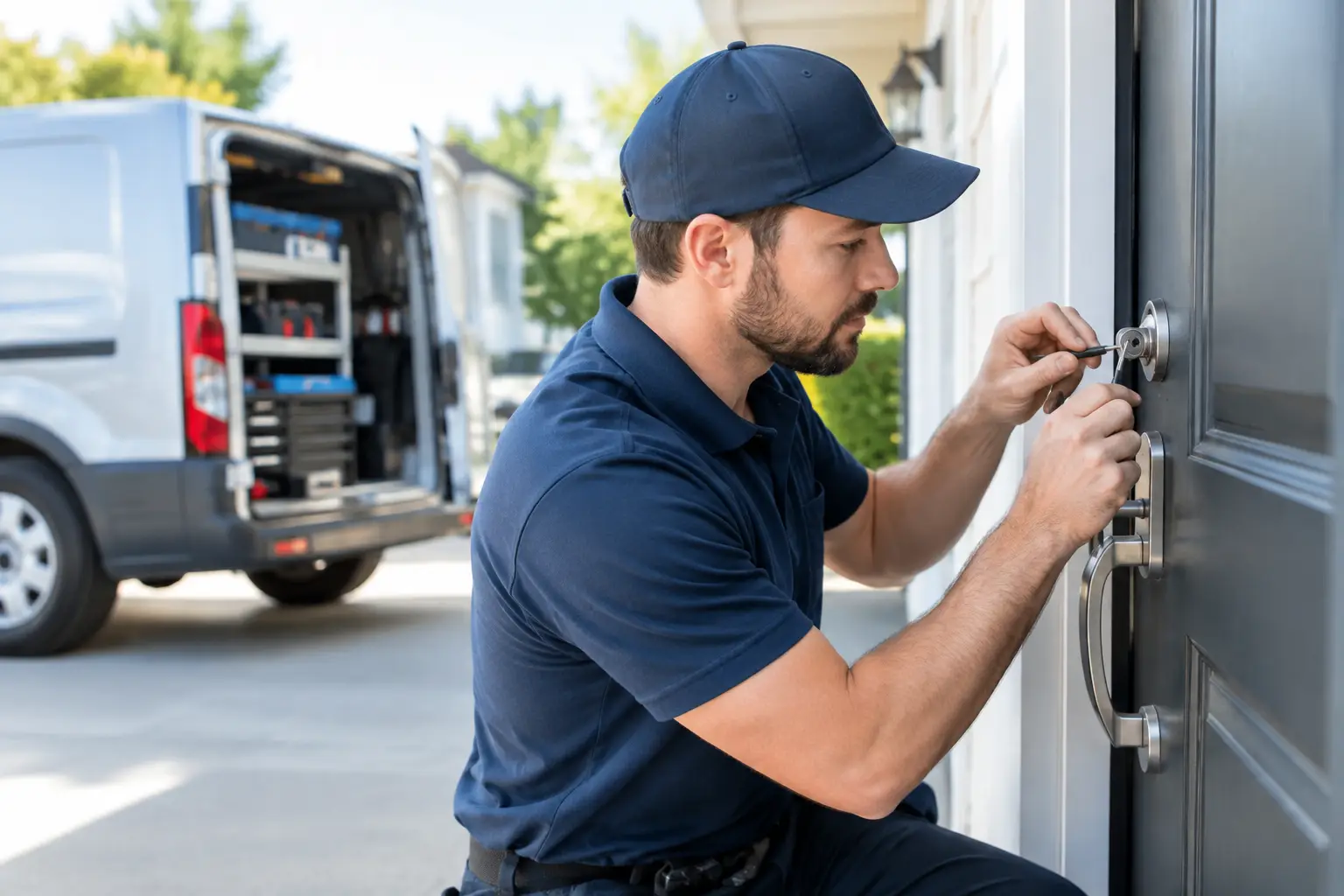
A key snaps in the cylinder just as you are leaving for work. Your front door handle drops, but the multipoint lock will not release. Or you arrive home and realise the keys are still on the kitchen table. In each case, the question is the same: who fixes locks? The answer is a qualified locksmith, ideally a local one who can diagnose the fault properly, restore access without unnecessary damage, and leave the property secure.
A locksmith does much more than open locked doors. They repair worn mechanisms, replace failed cylinders, cut new keys, improve security after a break-in and deal with the awkward lock problems that affect uPVC doors, windows, garages, offices and vehicles. The right solution depends on what has actually failed, not simply on what looks wrong from the outside.
Who fixes locks at a home or business?
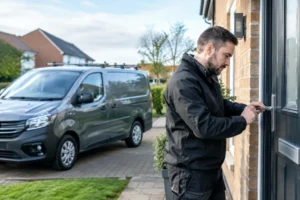
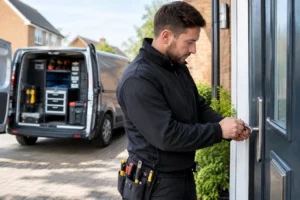
A locksmith is the tradesperson to call for most lock, key and door-security problems. That includes emergency lockouts, but also planned repairs and upgrades. If a lock is stiff, a key turns without opening the door, a handle has become loose, or the door will no longer lock properly, a locksmith can assess the cause and explain whether repair or replacement makes better sense.
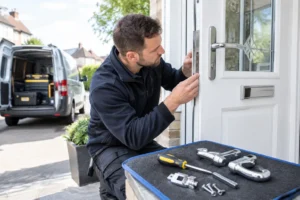
For a wooden front door, the issue may be a worn rim cylinder, mortice lock or night latch. On a uPVC or composite door, the cylinder may be at fault, but so could the multipoint locking mechanism, keeps, hinges or the alignment of the door itself. Treating every problem as a simple cylinder change can waste money and leave the original fault unresolved.
At commercial premises, locksmith work can include office locks, shop shutters, fire-door hardware, restricted key systems, access control hardware and securing a property after a tenant change or lost set of keys. Landlords and property managers often need fast, clear advice because one faulty lock can affect a tenant’s safety, a void property or an entire building’s access arrangements.
When you need a locksmith straight away
Some lock faults can wait for a convenient appointment. Others should be dealt with immediately. If you cannot secure an external door, you are locked out, a key has snapped in the lock, or there has been an attempted break-in, call a locksmith as soon as possible.
A door that locks only from one side should also be treated seriously. It may leave someone unable to exit easily in an emergency, or it may prevent you securing the property when you leave. Similarly, avoid forcing a key that has started to stick. A stiff lock is often an early warning sign. Continued force can snap the key, damage the cylinder or turn a straightforward repair into a more involved job.
If you are locked out, do not be tempted to prise the door, remove glazing or attack the lock with a screwdriver. Apart from the risk of injury, forced entry can damage the door, frame and mechanism. A professional locksmith will normally aim for non-destructive entry first, then check that the lock still operates safely afterwards.
Lock repair or lock replacement?
Repair is often the sensible option when the main lock body or door mechanism can be restored reliably. A dropped uPVC handle, for example, may be caused by a failed gearbox or a door that has moved out of alignment. Replacing only the visible handle will not solve either problem.
Replacement is usually the better choice when a cylinder has failed, keys have been lost or stolen, the lock is badly worn, or the current lock no longer offers an appropriate level of security. After a move, many homeowners choose to change external door locks even when the existing keys appear to be accounted for. It is a practical way to know exactly who has access to the property.
There is a trade-off. The cheapest replacement is not always the best value if it is poorly suited to the door or offers limited protection against common attack methods. Equally, an expensive upgrade is unnecessary if a well-fitted, recognised lock meets the needs of the property. A good locksmith will talk through the options in plain English and fit suitable hardware from established names such as Yale, Chubb or Union where appropriate.
Common problems a locksmith can solve
Lock faults come in many forms, and the symptoms are not always obvious. A locksmith can help with issues including:
- keys lost, stolen, broken or locked inside
- jammed, stiff or spinning cylinders
- failed mortice locks and night latches
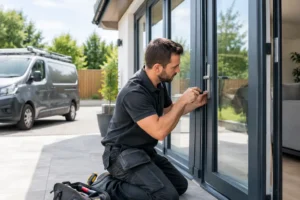
- uPVC, composite and patio-door mechanism faults
- broken door handles, hinges and locking keeps
- window locks that will not open or secure
- garage, shed, gate and mailbox lock replacements
- vehicle lockouts, replacement car keys and auto-lock issues
The job may involve opening a door, extracting a broken key, repairing internal components, fitting a new lock or adjusting the door so the lock engages correctly. It depends on the fault. That is why a proper inspection matters before agreeing the work.
Why use a local locksmith rather than a call centre?
When you are stuck outside or facing an insecure door, the first number you find can feel like the only option. However, some advertised locksmith services are national call centres that pass work to whoever is available. This can make it harder to know who is attending, where they are coming from or how charges will be handled.
A genuine local locksmith offers direct contact with the person dealing with the job. You can describe the problem, ask about likely attendance, and receive clear advice before anyone arrives. Local knowledge is useful too. A locksmith working regularly across Reading, Berkshire and the Thames Valley understands the roads, the property types and the importance of getting to an emergency promptly.
Ask whether there is a callout charge, whether the locksmith will provide a price before work starts, and whether they carry the parts likely to be needed. No one can promise an exact repair cost without seeing every fault, but a straightforward explanation of likely options is a good sign.
What to expect when the locksmith arrives
A professional locksmith should first confirm that you are entitled to access the property or vehicle. This is for your protection. They will then inspect the door and lock, explain what appears to have failed, and recommend the least disruptive reliable solution.
For a lockout, that may mean gaining entry without drilling or replacing the lock. For a failed cylinder or snapped key, it may mean replacing the affected part and testing the new keys. With a uPVC mechanism, the locksmith should check the door’s alignment and operation rather than simply fitting a new component and leaving it under strain.
Before the work is completed, the lock should be tested from both sides where possible. You should be shown how it operates, given the relevant keys, and told if there is any follow-up care to consider. For businesses and rental properties, keep a record of keys issued and locks changed. It saves confusion later.
A few checks before you call
If it is safe to do so, check whether another entrance is open and whether someone with a spare key can help. Look at the door position too. A door that has swollen in damp weather or shifted slightly may place pressure on the lock. Do not repeatedly turn the key against resistance, though.
Have the property address, the type of door and a clear description of the problem ready. Mention if someone is locked inside, if the building cannot be secured, or if there are vulnerable people on the premises. That helps the locksmith understand the urgency and arrive prepared.
Lock Solutions has provided owner-led locksmith support since 2006, with 24-hour emergency help, no callout charge and a one-hour attendance target for urgent jobs. You speak directly to a local locksmith, not a distant booking desk, so you can get practical advice when it matters.
A faulty lock rarely improves by itself. Whether you are dealing with a snapped key, a stubborn uPVC door or an external door that will not secure, act before a small fault becomes a lockout or a security risk. Call a trusted local locksmith, explain what is happening, and get the door working safely again.