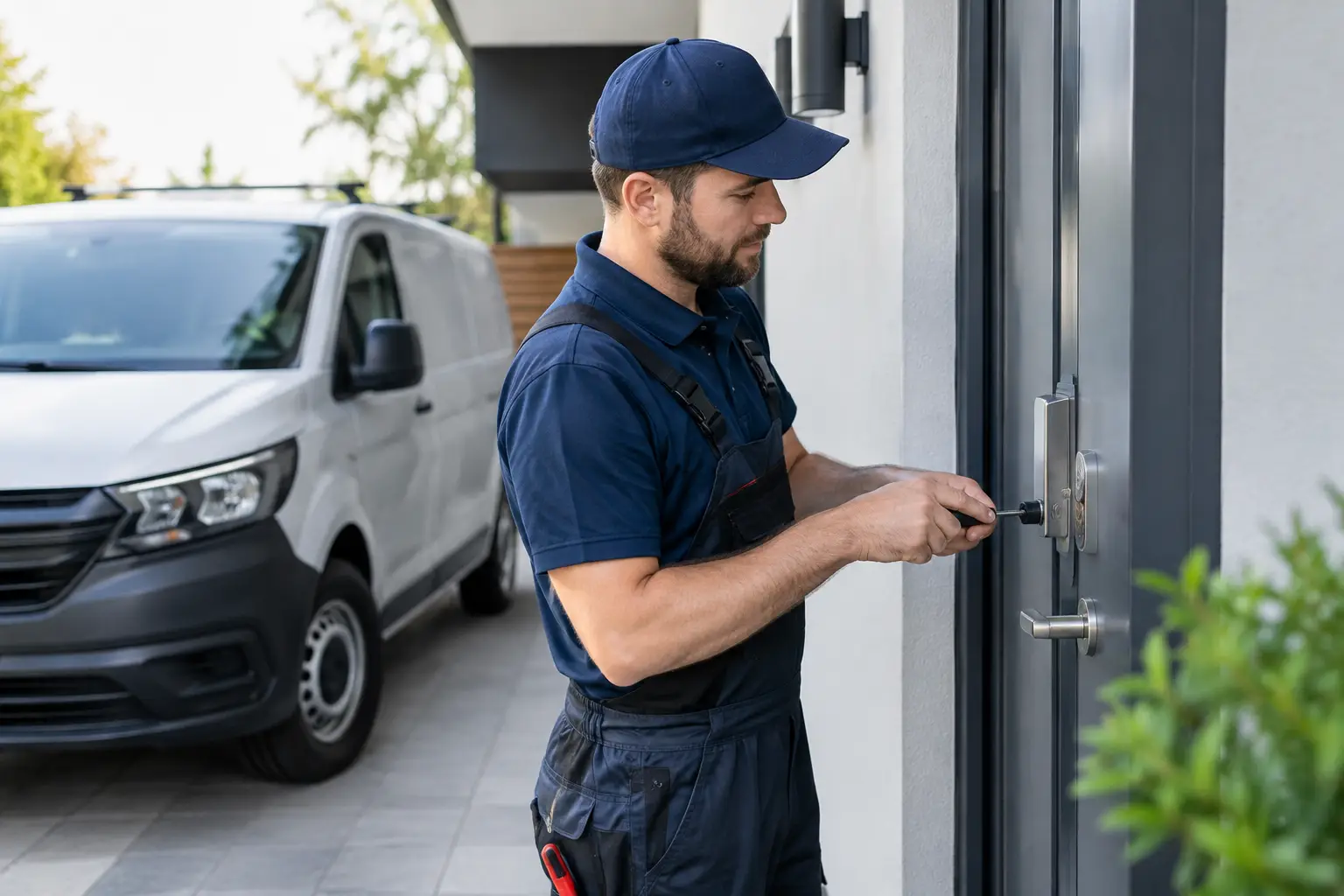
A rental property lock change can become urgent very quickly. A tenant may have moved out without returning every key, a set may have been lost, or the lock may simply be worn out and no longer secure. The right next step depends on why the lock needs changing, who has authority to arrange it, and whether the property is safe in the meantime.
For landlords and managing agents, the priority is usually clear: make sure the next tenant can move into a secure home with reliable access. For tenants, the issue is often less straightforward. You may want more peace of mind after a break-up, a lost key or concerns about who has a spare, but you still need to consider your tenancy agreement and your landlord’s access rights.
When should locks be changed at a rental property?
Changing locks between tenancies is sensible practice, even where every key appears to have been handed back. Keys can be copied without a landlord knowing, handed to previous occupants, neighbours or contractors, or simply go missing over time. A new tenant should not have to wonder who might still be able to enter their home.
A lock change is also worth arranging after a burglary or attempted break-in, when keys have been stolen, if a tenant has been evicted, or when a lock is damaged, sticking or failing. A front door that only locks with force, a loose cylinder, or a uPVC handle that will not lift properly is more than an inconvenience. It can leave the property insecure or leave someone locked out at the worst possible time.
There is a difference between a planned replacement and an emergency. If the property is empty and the lock is working, a landlord can book a convenient appointment and discuss suitable options. If a tenant cannot secure the door tonight, keys have been stolen with an address attached, or a mechanism has failed with the door shut, the work needs dealing with promptly.
Who pays for a rental property lock change?
Responsibility normally follows the cause of the problem. A landlord is generally responsible for keeping the exterior doors, locks and other security features in reasonable repair. If a lock has reached the end of its working life, is faulty through ordinary use, or needs replacing between tenants, it is usually a landlord cost.
A tenant may be expected to pay where they have lost keys, damaged the lock, or requested a replacement for a personal reason. For example, if a tenant wants a different lock after a relationship breakdown, they should speak to the landlord or agent first. The landlord may agree, but will usually need a key and may require an approved lock type so the property remains accessible for legitimate repairs, inspections and emergencies.
Tenancy agreements can set out specific arrangements for keys and security, so it is worth checking the wording before authorising work. That said, a clause does not remove the landlord’s duty to keep the home secure and in repair. Where there is a genuine security risk, deal with the immediate problem first, then keep a clear record of what happened, the work completed and any keys supplied.
Do tenants have the right to change locks?
Tenants are entitled to quiet enjoyment of their home. In practical terms, that means a landlord or agent cannot simply let themselves in whenever they choose. Except in an emergency, notice and agreement are normally required for access.
Whether a tenant can change a lock without permission depends on the tenancy terms and the circumstances. It may be possible, but doing so without telling the landlord can cause avoidable problems, particularly if the landlord cannot gain access during a real emergency such as a flood, gas concern or serious repair. The sensible route is to put the request in writing, explain the reason, and agree how keys will be managed.
If changing a lock yourself has been agreed, avoid cheap, ill-fitting replacements. A poor installation can damage the door, compromise insurance requirements and cost more to put right later. The original lock should also be kept safely if the landlord asks for it to be reinstated at the end of the tenancy.
Choosing the right replacement lock
Not every rental property lock change means fitting the same lock again. A locksmith should first assess the door, the existing hardware and the reason for replacement. Many modern uPVC and composite doors use a euro cylinder, while timber doors may have a mortice lock, rim cylinder or a combination of locking points.
For external doors, the replacement should suit the door rather than simply be the cheapest item available. A quality cylinder can offer improved resistance to common forced-entry methods, while a properly specified mortice lock may be needed on a traditional timber door. Recognised brands such as Yale, Chubb and Union are commonly used for dependable replacement options.
The best choice also depends on who needs access. A single-family let may only need a straightforward, secure keyed lock. A shared house, block-managed property or commercial unit can need a more considered key arrangement so that access is controlled without creating a pile of unlabelled spare keys. If several properties are managed, keeping a written key record makes future handovers far less stressful.
Avoid changing only the cylinder when the actual fault lies elsewhere. On uPVC doors, the gearbox, multipoint locking mechanism, handles or alignment can be the real cause of the problem. Replacing a cylinder will not fix a door that will not lock because the hooks and bolts are not engaging. An experienced locksmith can identify whether repair is possible before recommending replacement.
What landlords should do between tenants
A consistent handover process protects the property, the incoming tenant and the landlord’s position if a dispute later arises. It does not need to be complicated, but it should be done every time.
At check-out, collect all issued keys, fobs, garage remotes and window keys. Compare them with the inventory and ask whether copies have been made. Check that the front, back and side doors lock smoothly from both sides, then test accessible windows, communal entrances and sheds where relevant.
If there is any uncertainty about copied or missing keys, change the relevant external locks. Record the date, the lock fitted, how many keys were issued and who received them. This is particularly useful for properties with frequent tenant turnover or several people involved in management.
Do not forget less obvious access points. A patio door, rear gate, attached garage, shared entrance or outbuilding can be just as important as the front door. If a previous tenant had a key to any of them, assess whether it should be rekeyed or replaced as part of the handover.
What to do when a tenant is locked out
A lockout is not always a reason to replace the lock. If the tenant has left their keys inside and the lock is undamaged, non-destructive entry may be possible. That keeps the existing lock in place and avoids an unnecessary bill.
If keys are lost, stolen or cannot be accounted for, replacement is often the safer option. A locksmith should confirm the caller’s connection to the property before granting entry and explain the likely options before work begins. For landlords and agents, it helps to have an agreed contact process so tenants know who to call out of hours and what information they need to provide.
In Reading, Berkshire and across the Thames Valley, a local locksmith can make a real difference when a lock problem cannot wait. Direct contact with the person attending means the issue can be discussed clearly, rather than passed through a call centre. Lock Solutions provides 24-hour help with no call-out charge, and Wayne can assess whether the situation calls for entry, repair or a full replacement.
Keep security practical, not complicated
The aim is not to turn every rental into a fortress. It is to make sure the people who should have access can get in, and the people who should not no longer can. A documented lock change at the right time is usually cheaper and less disruptive than dealing with a break-in, a tenant dispute or an emergency failure later.
If a key is missing, a lock is unreliable or a tenant handover is due, do not leave the decision until the door will not secure. Get the lock checked, agree the access arrangements, and give the next occupant the confidence that the property is properly theirs from day one.