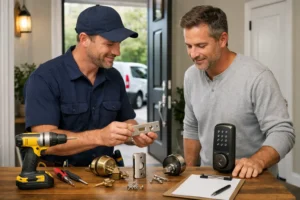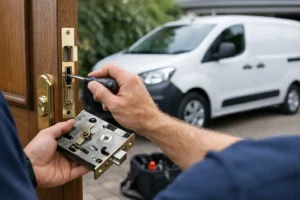
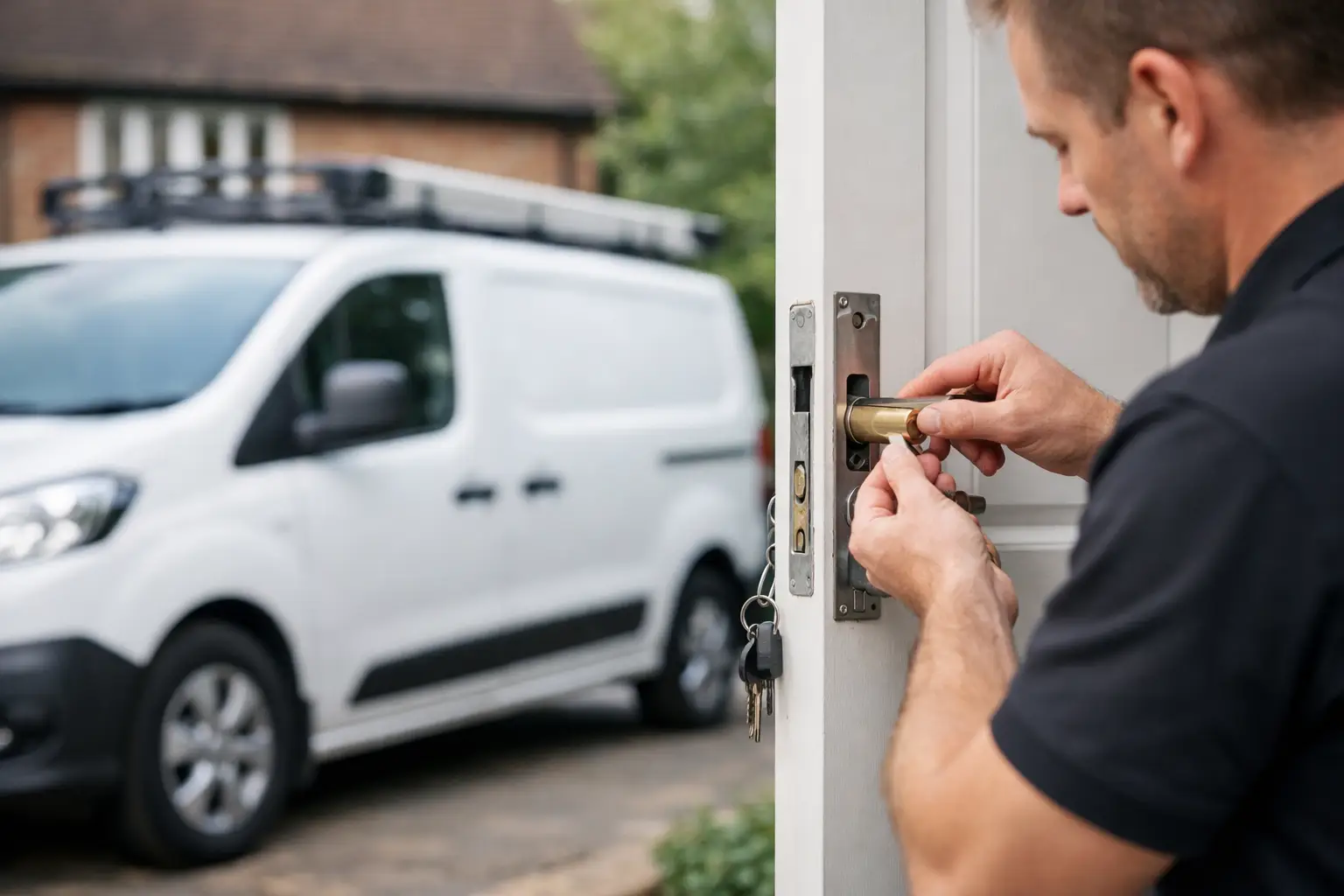
A key that suddenly spins without opening the door, a lock that needs several attempts to catch, or keys that have gone missing after a move are not problems to put off until the weekend. For lock replacement Reading residents can rely on, the priority is simple: restore secure, reliable access without paying for work that is not needed.
Sometimes a lock can be repaired. In other cases, replacing it is the safer and more sensible option. A good locksmith will assess the door, the existing lock and the reason for the problem before explaining what needs doing in plain English.
When lock replacement in Reading is the right call
The clearest reason to replace a lock is lost or stolen keys. Even if you still have a spare, you cannot know who may have found the missing key or whether it can be linked to your address. Replacing the relevant external door lock gives you certainty again.
Moving into a new home is another common reason. Previous owners, tenants, tradespeople, cleaners or neighbours may have been given keys over the years. Changing the locks is a straightforward way to make the property yours from day one. Landlords should also consider replacement between tenancies where keys have not been fully returned or there is any doubt over who has a copy.
A lock that is physically damaged should not be ignored. Signs include a loose cylinder, a key that sticks or turns roughly, a handle that will not return properly, visible damage around the keyway, or a door that no longer locks without lifting, pushing or pulling it into position. These faults can leave you locked out, unable to secure the property, or both.
After a burglary or attempted break-in, lock replacement is often part of making the property safe again. The damage is not always obvious. A cylinder may still turn, yet have been compromised by force. A locksmith can check the lock, door furniture, frame and alignment before recommending the appropriate replacement.
There is also a less urgent reason: your security needs have changed. You may have upgraded a home office, bought valuable equipment, taken on a commercial unit or simply decided that an older lock no longer gives enough protection. In that situation, planned replacement lets you choose the right hardware without the pressure of an emergency.
Repair or replace: what makes the difference?
Replacement is not automatically the answer to every locking problem. If a door has dropped on its hinges, for example, the lock may be working perfectly but unable to line up with the keep in the frame. Adjusting the door or mechanism may solve the issue and avoid an unnecessary new lock.
This is particularly common with uPVC and composite doors. A stiff handle, failure to lift the handle fully, or a key that will not turn can point to a worn multipoint mechanism, a failed gearbox, a misaligned door or a faulty cylinder. The right repair depends on the actual fault. Changing the cylinder alone will not cure a mechanism that has failed inside the door.
On the other hand, a replacement is usually preferable where the lock is worn beyond reliable use, has been forced, is obsolete, cannot be re-keyed appropriately, or does not provide the level of security you need. For many homeowners, the deciding factor is not whether an old lock can be made to work once more, but whether it can be trusted every day.
A local locksmith should explain the options before work begins. That includes what can be repaired, what should be replaced, and why. There are occasions where a lower-cost repair is sensible, especially for a temporary issue or an internal door. For front, back and accessible side doors, reliability and security generally matter more than squeezing a few extra months from a failing lock.
Choosing the right replacement lock
Not all doors use the same lock, and fitting the wrong type can cause problems with operation, insurance requirements or security. Timber doors may use a rim cylinder with a nightlatch, a mortice lock, or both. uPVC, composite and aluminium doors commonly use euro cylinders as part of a multipoint locking system. Commercial premises may need more specialised arrangements, including master key systems, panic hardware or restricted keys.
The replacement should suit the door rather than simply be the nearest available lock. Cylinder length matters on uPVC and composite doors. A cylinder that projects too far from the handle can be more vulnerable, while one that sits too far back can be awkward to use. The door’s condition, handle type and security requirements all need to be considered together.
Recognised lock brands such as Yale, Chubb and Union have long-standing places in UK homes and businesses, but the model and specification are what matter most. A locksmith can advise on suitable security-rated options for the property, as well as practical features such as thumbturn operation from inside. A thumbturn can be useful for quick exit, but whether it suits your door depends on its location and the overall security arrangement.
If you need several locks changed, ask whether they can be keyed alike. This means one key operates more than one compatible lock, reducing the number of keys on your ring. It is convenient for homes with a front and rear door, and can be useful for landlords or small businesses. It is not always possible with every lock type, so it is worth discussing before replacements are fitted.
What affects the cost of lock replacement?
The cost is based on the type of lock, the security level required, the number of locks, the condition of the door and whether the work is planned or urgent. A straightforward cylinder change during normal hours is very different from gaining entry after a snapped key late at night, repairing a damaged mechanism and then fitting a replacement lock.
The cheapest option is not always the best value. A basic lock may be adequate for an internal door or a low-risk situation, while an external entrance deserves a product suited to the door and its exposure. It can also cost more later if a poor-quality lock wears quickly or does not fit correctly.
Ask for clarity on charges before authorising the work. You should understand whether the price covers the lock, labour, keys, any door adjustment and VAT where applicable. A genuine local locksmith will not hide behind a vague attendance fee before discussing the problem. With Lock Solutions, there is no callout charge – you pay for the work needed to get the lock or door working securely again.
What to do if you cannot lock your door
If the door will not lock, secure the property as best you can while you arrange help. Do not force the key, handle or mechanism. Forcing a stiff lock can snap a key or turn a repairable fault into a larger one. If the door is open but will not secure, avoid leaving the property unattended where possible.
If you are locked out, resist the temptation to try makeshift entry methods. They can damage the door, frame, glass or locking mechanism, and may cost more to put right. A locksmith will aim for non-destructive entry wherever the lock and situation allow, then diagnose the cause before replacing anything.
For a business, an insecure entrance can affect staff safety, stock and your ability to trade. It is worth acting quickly, particularly where the premises are vacant overnight or the lock has failed after closing. The same applies to rental properties: a tenant should report a failed external lock promptly, and a landlord or managing agent should arrange a proper repair rather than leave a temporary workaround in place.
Getting the job done without unnecessary delay
When you call a locksmith, describe the door, the lock type if you know it, and what has happened. Mention whether you are locked out, whether the key has snapped, whether the handle will lift, and whether the door is currently secure. A clear description helps the locksmith arrive with the right parts and gives you a better idea of what may be involved.
For emergency work in Reading and the surrounding area, direct contact with a named local locksmith matters. You want someone who can attend, inspect the issue and give you a straight answer, rather than a call centre promising a price before anyone has seen the door. Wayne and the team at Lock Solutions provide 24-hour support, with a one-hour attendance target for emergency jobs.
A lock should work quietly and predictably every time you come home, leave for work or close up a premises. If yours is showing signs of failure, or you no longer know who has keys, do not wait for it to become an out-of-hours emergency. Get in touch and have it checked while you still have the choice of a planned repair or replacement.