A tenancy changeover is the point at which a small lock decision can become an expensive problem. Lost keys, unreturned copies and worn-out cylinders are common, particularly where a property has had several occupants over the years. The best rental property locks are not necessarily the most expensive ones. They are the locks that suit the door, meet the required security standard, allow people to leave safely and can be managed sensibly between tenancies.
For most landlords, the right answer is a properly fitted, recognised lock from a trusted manufacturer rather than a one-size-fits-all product ordered in a hurry. The front door, rear door, patio door and any bedroom doors in a shared house all need to be considered separately.
What makes a lock suitable for a rental property?
A rental lock needs to balance three things: security, day-to-day practicality and reliable access in an emergency. A high-security lock is of little use if the tenant struggles to operate it, while a convenient lock is a poor choice if it can be easily bypassed or leaves former tenants with working keys.
Start with the type of door. A timber front door may use a mortice lock and rim cylinder, while a modern composite or uPVC door normally relies on a multipoint locking mechanism operated by a euro cylinder. Aluminium doors, communal entrances and fire doors each bring their own fitting and safety requirements.
It is also worth checking any conditions set by the property insurer. Many insurers specify a particular lock standard for external doors, especially where a property is unoccupied for a period or has valuable contents inside. Do not assume that any new lock will satisfy the policy – check the wording before choosing one.
Best rental property locks by door type
Anti-snap euro cylinders for uPVC and composite doors
For many rental homes across Berkshire and the Thames Valley, an anti-snap euro cylinder is the most worthwhile upgrade. These cylinders fit the multipoint locks found on many uPVC and composite doors. When the handle is lifted and the key turned, the mechanism locks at several points along the frame.
The cylinder remains the vulnerable part. Older or basic cylinders can be susceptible to snapping or other forms of forced entry. A quality anti-snap cylinder is designed to sacrifice an outer section under attack while keeping the internal locking part protected.
Look for a cylinder with recognised security testing, such as TS 007 three-star accreditation, or pair a suitable cylinder with compatible security furniture where appropriate. Correct sizing matters just as much as the product itself. A cylinder that sticks out too far from the handle can be easier to attack, while one that is too short can be awkward to use.
For a standard rented house or flat with a uPVC front door, this is usually the most sensible place to spend money. It is a straightforward improvement that also makes changing access at the end of a tenancy relatively simple.
BS 3621 mortice locks for timber external doors
A timber front or back door will often need a five-lever mortice deadlock or sashlock. BS 3621 is a common standard requested by insurers for a key-operated lock on an external door. A deadlock provides security but has no handle latch, whereas a sashlock combines a latch and a deadlock in one case.
The choice depends on the existing door furniture and how the door is used. If there is already a nightlatch on the door, a mortice deadlock may be fitted as the additional security lock. If the door needs a handle-operated latch as well, a sashlock may be more practical.
There is an important safety point here. A key-operated lock should never prevent occupants from escaping quickly in a fire. If a door is a final exit, the lock arrangement must be suitable for safe escape and for the building’s layout. In some situations, a thumbturn escape lock, such as one meeting BS 8621, may be the better option. Fire doors and houses in multiple occupation can have more specific requirements, so this is a job to assess rather than guess.
Multipoint door locks with a quality cylinder
The long strip of hooks, rollers or bolts inside a uPVC or composite door is not normally replaced every time a tenancy changes. If it operates smoothly and locks correctly, replacing only the cylinder may be enough.
However, if the handle feels loose, the key turns without locking properly, the door needs lifting to close or the mechanism is stiff, deal with it promptly. Forcing a failing multipoint lock can turn a repairable fault into a lockout. The best approach is usually to repair the mechanism where possible, fit a good cylinder, and adjust the door so that it closes without pressure on the lock.
Smart locks for managed access
Smart locks can work well in certain rental properties, particularly serviced accommodation, short lets or homes managed by an agent who needs controlled access. Temporary codes can avoid key handovers, and access can be removed when a stay ends.
They are not automatically the best choice for every long-term tenancy. Tenants need clear instructions, batteries need checking, and there should be a dependable manual override. You must also consider what happens if the property loses power, the tenant changes phone, or a guest needs access. A smart lock should simplify management, not leave someone outside on a wet Sunday evening.
For a conventional tenancy, a good mechanical lock with fresh keys is often the simpler and more dependable option. If you do choose smart access, select a proven product that suits the door and keep a clear plan for emergency entry.
Lockable bedroom doors in shared houses
Bedroom security matters in HMOs and other shared properties. A tenant should be able to secure their own room, but the lock must not create a fire-safety risk. Avoid fitting a lock that requires a key to escape from inside the room unless the building’s fire-risk arrangements specifically permit it.
A thumbturn privacy lock or a suitable key-and-turn arrangement may be appropriate, depending on the door and the property requirements. Bedroom doors in shared accommodation may also need to meet fire-door standards, so drilling or altering them without proper advice can cause problems. This is one area where a quick, cheap change can have wider consequences.
Change locks at every tenancy turnover
The most practical rule for landlords is simple: change or rekey external locks when one tenancy ends and another begins. Even when every key appears to have been returned, you cannot know whether copies were made. Replacing a euro cylinder is often quick and cost-effective, while a mortice lock may be rekeyed or have its levers changed where the model allows it.
Keep a proper key record. Give tenants only the keys they need, label landlord or contractor keys carefully, and avoid leaving spares in obvious places such as meter boxes, fake rocks or under bins. If a managing agent, cleaner, contractor or former tenant has had access, factor that into your decision at turnover.
The same applies after a lost key, burglary, relationship breakdown or disputed possession. Changing the lock may be sensible for security, but landlords must still follow the correct legal process around access and possession. A lock change is not a shortcut around tenant rights.
Do not overlook windows, patio doors and communal access
A front-door upgrade can be undermined by a weak rear entrance. Check patio-door locks, window handles and any side-gate access during inspections. Ground-floor and easily accessible windows should close securely and have working keys where locking handles are fitted.
For flats, avoid altering communal-door locks without permission from the freeholder or managing agent. These systems may be linked to other flats, emergency access arrangements or entry controls. The right repair may be at the communal entrance rather than on the flat door itself.
A sensible specification for most landlords
For a typical rental house, a quality anti-snap cylinder on a properly working multipoint front door is a strong starting point. Timber external doors may need an insurance-approved mortice lock or a safe escape alternative, depending on the door’s role. Shared homes need a closer look at bedroom security and fire safety, while smart locks are best reserved for properties where managed, code-based access brings a real benefit.
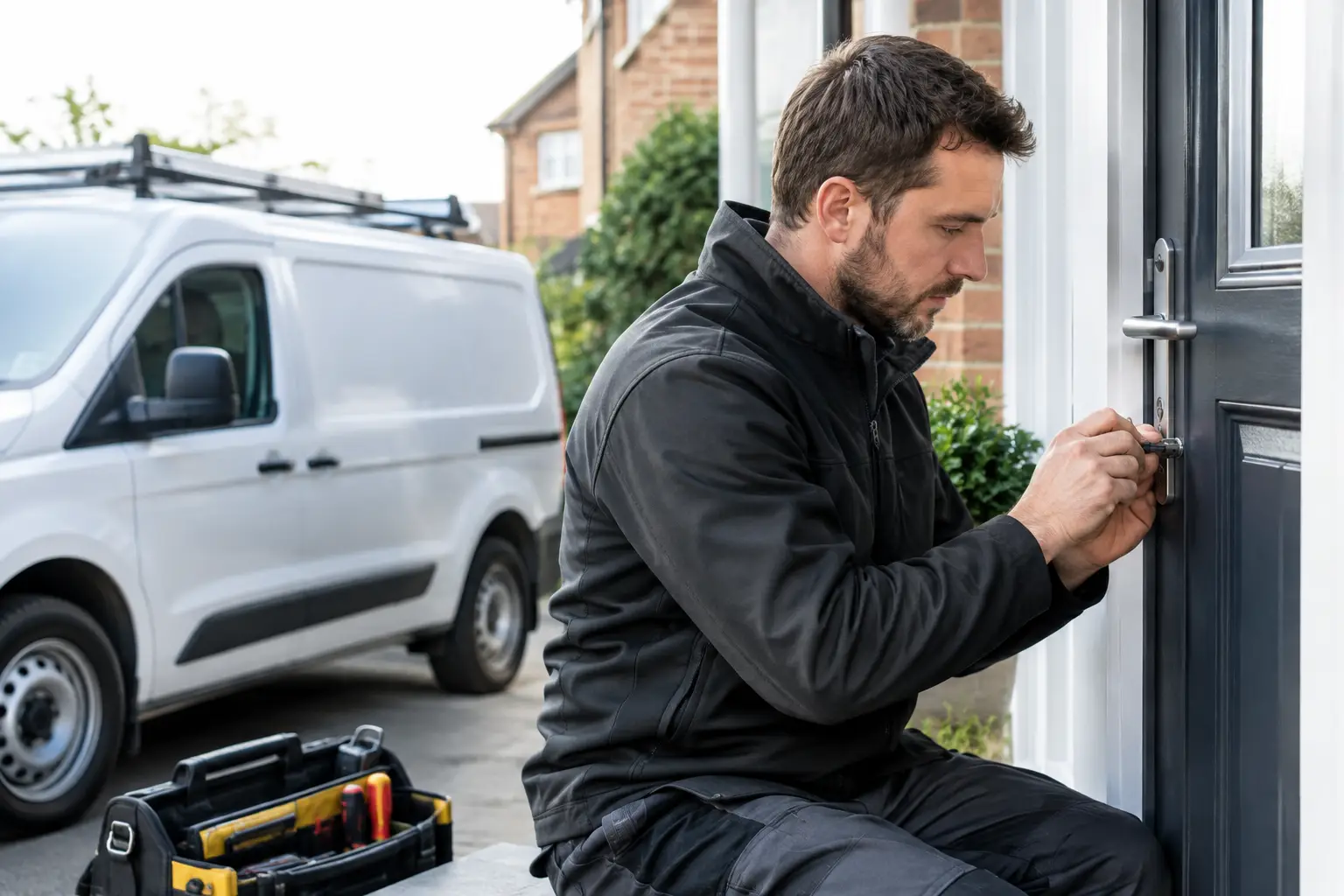
The fitting is every bit as important as the lock. A poorly aligned door, worn keeps or a badly sized cylinder will shorten the life of even a good product. If a lock is sticking, a key has snapped or a uPVC mechanism is not engaging, do not wait for the next tenant to report a lockout. Contact Lock Solutions for clear advice and a practical repair or replacement that keeps the property secure and usable.